
¿Qué es un proxy inverso? Este término es esencial en redes y tecnología de la información, y se utiliza con frecuencia en sistemas de servidores. En este artículo, exploraremos los proxies inversos con Hidemyacc, cubriendo todo, desde conceptos fundamentales hasta beneficios prácticos y aplicaciones que mejoran el rendimiento, la seguridad y la experiencia del usuario. ¡Descubre más ahora!
1. ¿Qué es el proxy inverso?
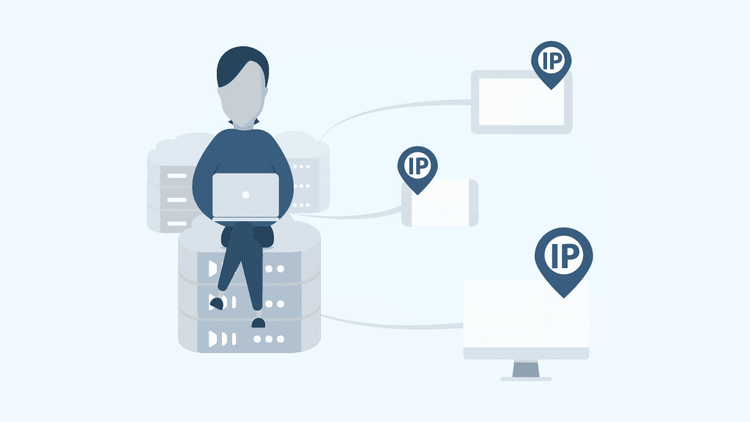
Un proxy inverso es un servidor especializado que actúa como "puente" entre los usuarios y los servidores backend, sirviendo como intermediario en el proceso de comunicación. En la arquitectura de red, a menudo se implementa un proxy inverso, a veces denominado "servidor inverso", para realizar funciones esenciales, incluida la gestión del tráfico y la mejora de la seguridad del sistema.
2. ¿Cómo funciona el proxy inverso?
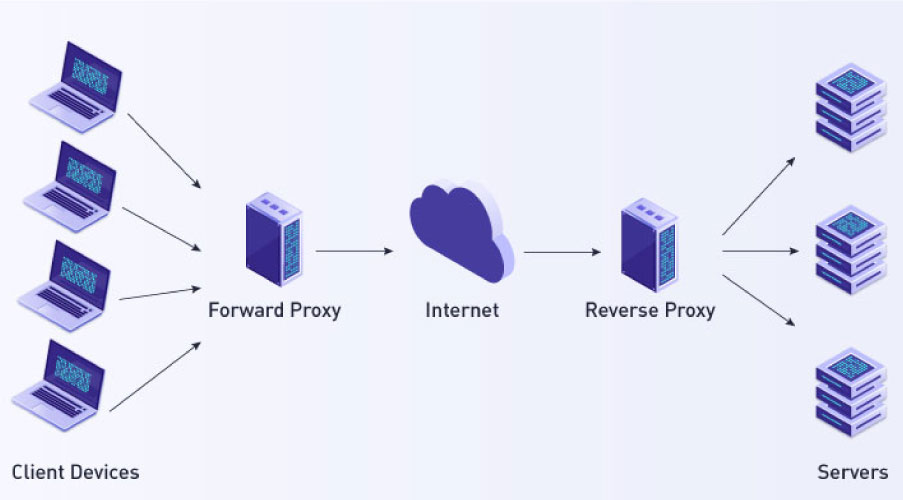
El principio operativo de un proxy inverso se centra en unir clientes y servidores backend, gestionar eficazmente el tráfico y mejorar la seguridad del sistema. A continuación se muestra un resumen de cómo funciona un proxy inverso:
-
Recibir solicitud del cliente: El proxy inverso recibe solicitudes de los clientes, generalmente a través del protocolo HTTP o HTTPS.
-
Determinar el servidor de destino: El proxy inverso determina qué servidor interno necesita manejar la solicitud según reglas preconfiguradas.
-
Solicitud de reenvío: La solicitud se transfiere al servidor de destino para su procesamiento.
-
Recibir respuesta del servidor: El proxy inverso recibe la respuesta del servidor después de procesar la solicitud.
-
Pasar la respuesta al cliente.: La respuesta del servidor se envía de vuelta al cliente mediante el proxy inverso, completando el proceso.
3. Beneficios de utilizar el proxy inverso
El uso de un proxy inverso ofrece numerosos beneficios valiosos para sistemas y entornos web. Un proxy inverso no sólo mejora la seguridad sino que también aumenta el rendimiento, la escalabilidad y la gestión del acceso a los sistemas web. Estos son los beneficios clave de usar un proxy inverso:
-
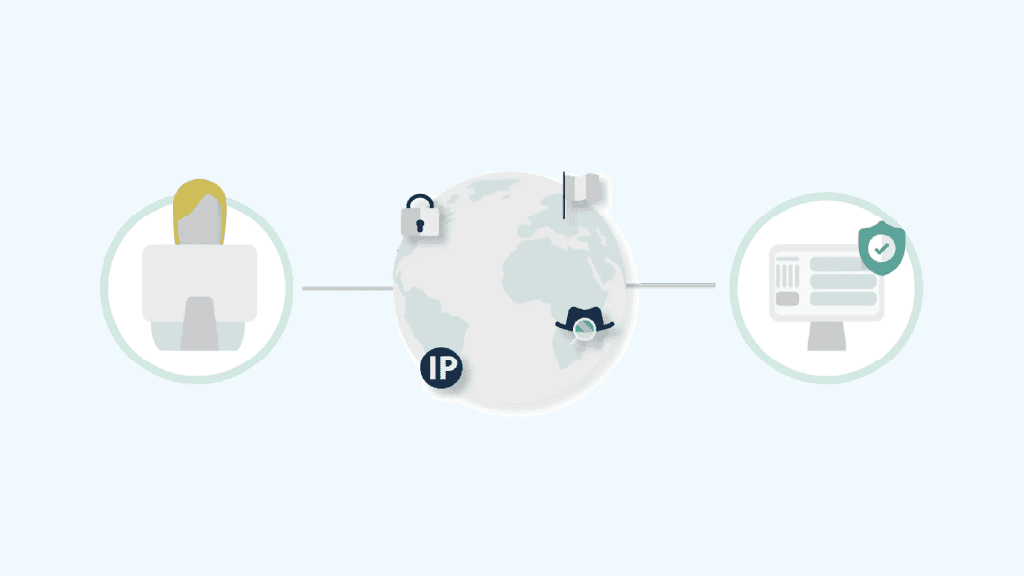
Seguridad: El proxy inverso oculta la dirección IP real del servidor, lo que ayuda a prevenir ataques como DDoS e inyección SQL, protegiendo el sistema de amenazas directas.
-
Distribución de carga: Con capacidades de equilibrio de carga, los servidores proxy inversos comparten el tráfico entre diferentes servidores, mejorando el rendimiento y reduciendo el riesgo de sobrecargar cualquier servidor.
-
Almacenamiento en caché: El proxy inverso almacena en caché el contenido popular, acorta el tiempo de carga de la página y aumenta la velocidad de acceso para los usuarios sin acceder al servidor final.
-
Gestión y control: El proxy inverso permite gestionar el acceso, aplicar reglas de bloqueo de acceso y monitorear la actividad de la red, garantizando la seguridad del sistema.
-
Descarga SSL/TLS: El proxy inverso maneja el cifrado y descifrado SSL/TLS, lo que ayuda a reducir la carga en el servidor final y mejorar el rendimiento.
-
enrutamiento de URL: El proxy inverso puede redirigir solicitudes a diferentes servidores de acuerdo con ciertas reglas, lo que ayuda a dividir el tráfico para diferentes aplicaciones y servicios.
4. Aplicación del proxy inverso
Un proxy inverso juega un papel crucial en la optimización del rendimiento y la seguridad de los sistemas de servidores. A continuación se muestran las aplicaciones clave de un proxy inverso:
-
Oculta la dirección IP del servidor de origen, ayudando a aumentar la seguridad.
-
Función de firewall integrada que protege contra ataques como DoS y admite la eliminación de malware.
-
Descargue el cifrado TLS del servidor web, reduciendo la carga en el servidor de origen mediante el uso de TLS acelerado por hardware.
-
Distribuye la carga entre servidores, con la capacidad de reescribir las URL para cada solicitud para que coincida con la ubicación del recurso.
-
Reduzca la carga del servidor almacenando en caché contenido dinámico y estático, mejorando el rendimiento web.
-
Optimice el contenido mediante la compresión, acortando el tiempo de carga de la página.
-
Utilice la tecnología de "alimentación con cuchara" para transmitir contenido lentamente, liberando recursos del servidor.
-
Funciona eficazmente en lugares con muchos servidores web, analizando y reenviando solicitudes al servidor correcto en la red interna.
-
Admite pruebas A/B y multivariadas sin integrar JavaScript o código en la página.
-
Proporciona autenticación de acceso HTTP para servidores web que no tienen funcionalidad de autenticación integrada.
5. Riesgos de utilizar proxy inverso
Si bien un proxy inverso ofrece importantes ventajas de rendimiento y seguridad, también presenta riesgos potenciales. A continuación se detallan algunos desafíos que se deben tener en cuenta al utilizar un proxy inverso:
-
Error de configuración: Una configuración incorrecta puede provocar errores de conexión y una distribución de carga incorrecta.
-
Congestión: Un proxy inverso no optimizado puede convertirse en un cuello de botella y provocar retrasos en el procesamiento de miles de conexiones simultáneas.
-
Error de un solo punto: Si el Proxy inverso falla, todo el sistema puede verse afectado. Es necesario que exista una solución de respaldo para evitar esta situación.
-
Seguridad: Se pueden aprovechar las vulnerabilidades de seguridad, lo que aumenta el riesgo de ataques a los sistemas internos.
-
Actuación: Agregar un proxy inverso puede aumentar la latencia si no se optimiza, lo que afecta el rendimiento del sistema.
-
Complejidad del sistema: El uso de Reverse Proxy aumenta la complejidad, lo que dificulta la resolución de problemas y el mantenimiento.
Para minimizar estos problemas, configurar y administrar el proxy inverso requiere cuidado y un conocimiento profundo del sistema de red.
6. Compare el proxy inverso y el proxy directo
Los servidores proxy son esenciales en la arquitectura de red, con dos tipos comunes: proxy inverso y proxy directo. Si bien ambos son servidores proxy, operan con mecanismos diferentes y sirven para propósitos distintos. A continuación se muestra una comparación entre el proxy inverso y el proxy directo:
|
Criterios |
Proxy inverso |
Proxy directo |
|
Ubicación y flujo de acceso |
Ubicado en el lado del servidor final, recibe solicitudes de los usuarios y las pasa al servidor backend. |
Colocado del lado del usuario, recibe la solicitud y la pasa al servidor externo. |
|
Funciones y aplicaciones |
Proporciona equilibrio de carga, almacenamiento en caché y protección del servidor backend, y gestión de acceso. |
Ayuda a anonimizar a los usuarios, controlar el acceso y aplicar políticas de seguridad. |
|
Seguridad y control |
Oculta la dirección IP del servidor backend, previene ataques directos y protege información importante. |
Anonimice a los usuarios y administre el acceso, proteja las identidades al acceder a Internet. |
|
Implementación y gestión |
Requiere conocimientos técnicos y configuración compleja; Generalmente implementado en un entorno de red interno. |
Fácilmente implementado en computadoras personales, los usuarios pueden configurarlo y administrarlo ellos mismos. |
En resumen, el proxy inverso y el proxy directo desempeñan un papel importante en la optimización del rendimiento, la seguridad y la gestión del acceso en la red, pero cada tipo tiene sus propias aplicaciones y requisitos de implementación.
Este artículo ha explorado “¿Qué es un proxy inverso?”—una poderosa tecnología de red para administrar y proteger aplicaciones web. Esperamos que esta descripción general de Hidemyacc haya aclarado el papel y los beneficios de los proxies inversos.
Para obtener mayores beneficios, combine proxies inversos con el navegador Hidemyacc Antidetect. Hidemyacc permite una fácil gestión de múltiples cuentas, protección de datos personales y una mayor eficiencia, especialmente en el campo de los MMO. ¡Regístrese hoy para una prueba gratuita de 7 días con Hidemyacc!
>>>También te puede interesar: