
When browsing the web or managing a site, it is not uncommon to encounter strange links scattered across comment sections and forums. But what exactly are spamming links? This is the act of distributing irrelevant links out of context to manipulate search rankings or scam users. This issue not only clutters the digital space but also poses risks of account loss, device virus infection, and website penalties.
In this article, Hidemyacc will help you clearly understand the common types of link spam, while providing thorough solutions for handling and prevention for both administrators and regular users.
1. What are spamming links?
Spamming links (or link spam) refers to the act of creating or distributing URL links unnaturally and completely unrelated to the context of the content. The core purpose of spreading spamming links is to manipulate algorithms to boost website rankings on search engines or to lure users into clicking on destination pages with malicious intent.
So why does the distribution of these junk links still persist today? The cause stems from two main factors:
- Legacy of old ranking methods: Previously, search engines often evaluated and ranked websites based primarily on the number of inbound links. This loophole created a habit of indiscriminate link spreading for unprofessional SEOs looking for shortcuts.
- Short-term benefits: Although current moderation algorithms like Google Penguin have been tightened, the use of automated tools like spam bots or automation tools can still bring immediate ranking results. Additionally, spamming links serves very effectively for "hit-and-run" scam campaigns in cyberspace.
These short-term benefits are exactly why spamming links continue to exist and remain difficult to eliminate completely.
2. How to identify spamming links in practice
Once you understand the nature of spamming links, the next step is to equip yourself with the skills to identify them. Users and web administrators can detect them through several characteristic signs below:
- URL Signs: The path of spamming links is often unusually long, contains many strange characters, or uses domain names intentionally misspelled to impersonate major brands.
- Content Signs: Spammers often use sensational titles, playing on curiosity or fear to entice users to click. However, upon access, the landing page content is very thin and completely unrelated to the original title.
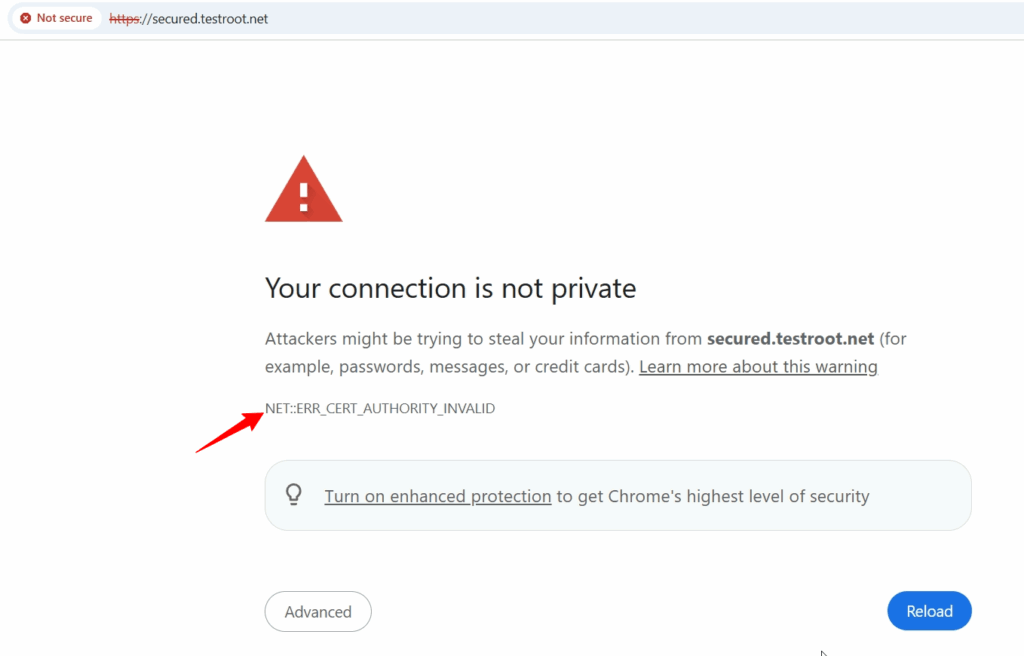
- Security Warnings: The destination website often lacks an HTTPS security certificate, or the web browser will display a “Not Secure” warning when a user attempts to access it.
- Navigation Characteristics: Campaigns involving spamming links often use shortened links of unknown origin. The clearest identifying feature is that when clicked, the browser will be continuously redirected through many different websites before stopping at the final destination page.
Understanding these identification features will help you be more proactive in prevention, thereby minimizing the risk of information insecurity when accidentally clicking on malicious spamming links.
3. Common types of spamming links
In reality, spamming links exist in many different forms. Categorizing them will give you a more detailed view of unnatural link-building methods online. Here are the 6 most common groups of junk links you should be especially aware of:
3.1. Manual link spamming
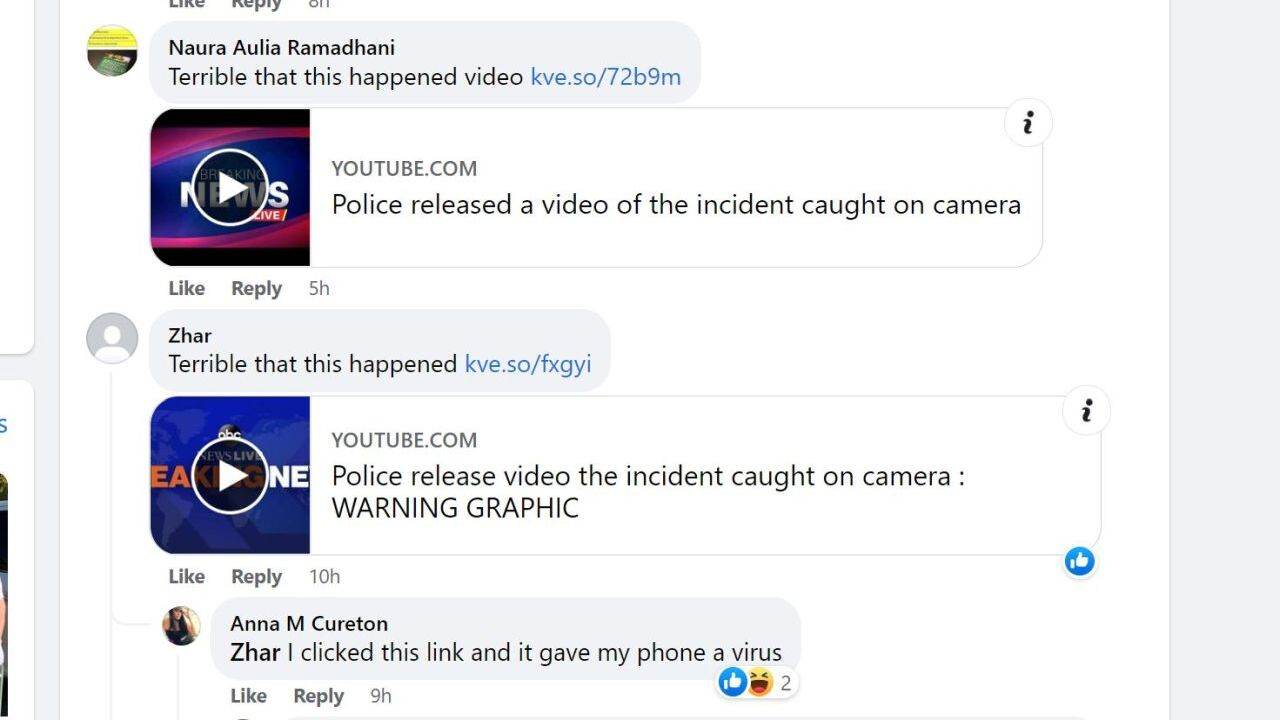
This is the form of spreading links directly by human effort. Individuals will leave comments, post spamming links on forums and social networks, or send mass messages and emails containing strange links to users' inboxes.
3.2. User-generated platform link spam
Bad actors often create mass fake accounts to post junk on forums or abuse social bookmarking platforms. Additionally, they exploit loopholes from reputable websites by inserting malicious links into profile bios, wishlists, or user-uploaded document files.
3.3. Spamming links via low-quality content
This form focuses on creating a massive quantity of posts rather than quality. Common tactics include using content spinning tools, building thin websites or blogs containing only a single post for the sole purpose of placing links. Buying sponsored posts, guest posts that offer no real value, or registering links through unmoderated web directories are also categorized in this group.
3.4. Automated link spamming systems
This is a more sophisticated manipulation technique requiring system investment. Entities build anonymous private blog networks (PBNs), create link farms, or set up a massive network of websites to cross-link to each other completely automatically.
3.5. Spamming links through buying and exchanging
Many parties choose shortcuts by directly paying to buy backlinks in large quantities. Furthermore, reciprocal link exchange agreements between parties with completely unrelated topics, or placing sitewide links, are serious violations of search engine guidelines.
3.6. Hidden and cloaked link spam
This is the most dangerous and difficult group to detect. Malicious actors may hide links by using font colors that match the background, intentionally embedding them deep in the source code, or using redirect tricks to lure users into clicking. More sophisticatedly, they apply domain washing techniques by pumping massive spamming links into an intermediate domain before redirecting the authority to the main site.
Identification is not always easy. Many forms are constructed and cloaked very professionally, appearing identical to valid links. This makes both regular Internet users and inexperienced SEOs very susceptible to confusion. Understanding the diversity of these types is an important step for timely defense.
4. Why are spamming links hated?
The distribution of spamming links is not just a violation of search engine policies but also brings direct negative consequences to the entire online environment. Specifically, this behavior is boycotted by the community for the following reasons:
- Diluting online information: Spreading junk links pollutes discussion spaces on social media platforms and forums. Readers face great difficulty finding truly useful information amidst a forest of comments filled with junk links.
- Ruining user experience: Visitors are constantly bothered by unwanted promotional content or forced to redirect to strange websites. This severely reduces their satisfaction when browsing.
- Distorting search results: Campaigns involving spamming links intentionally manipulate algorithms to push low-quality websites to high rankings. This directly breaks fairness for legitimate administrators in the SEO field.
- Potential scam and security risks: Many junk links are created with malicious intent, carrying risks of scams, malware distribution, or stealing sensitive personal information from those who accidentally click.
- Cross-impact on legitimate SEOs: Rampant spamming links force platforms to constantly tighten moderation algorithms, which also affects those doing SEO correctly.
In summary, most rapid, low-cost, and easy-to-implement ranking optimization techniques carry a high risk related to spamming links. Therefore, the community and search engines joining forces to boycott this behavior is entirely inevitable to protect a transparent, fair, and safe Internet space.
5. Serious consequences of spamming links for websites and users
One of the biggest reasons many people are concerned about spamming links is their danger level. This behavior not only affects SEO but also threatens user safety. Here are the specific consequences that parties must bear.
5.1. For Spammers:
Individuals or organizations that intentionally abuse junk links will face strict penalties from platforms and search engines, including:
- Risk of permanent account suspension on social media platforms and forums.
- Platforms applying "shadowbans" or visibility restrictions, making posts completely inaccessible to viewers.
- Websites being heavily penalized by search engines, leading to a disastrous drop in rankings on results pages.
- Complete loss of trust and brand reputation built over a long period in the eyes of customers.
- Direct drop in traffic and revenue when the website is completely removed from the indexing database.
The ultimate consequence of these fraudulent tactics is the complete collapse of credibility, destroying all efforts to build a website instead of bringing real benefits.
5.2. For users who accidentally click:
Not only are administrators affected, but Internet users—especially those just starting to learn about making money online—are also direct victims of malicious links with a series of lurking dangers:
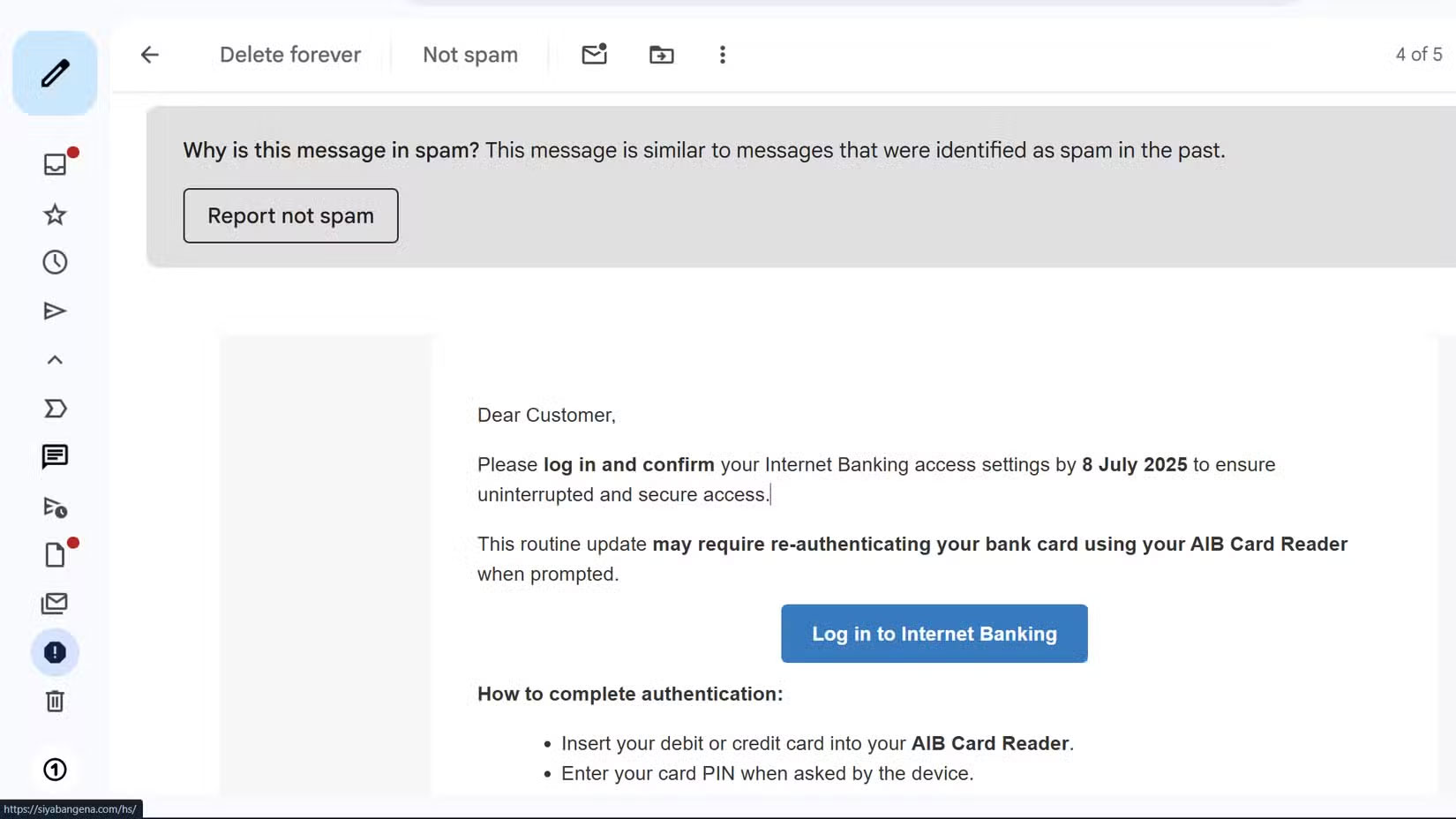
- Being redirected to fake websites impersonating bank interfaces or reputable organizations for scamming purposes.
- Facing the risk of hackers stealing login information and taking over personal electronic accounts such as MetaMask wallets, Coinbase, etc.
- Accidentally downloading and infecting devices with malware or ransomware.
- Being lured into providing sensitive personal information like credit card numbers or identification documents.
These direct threats have turned the network environment into a dangerous place, requiring every individual to maintain high vigilance before any strange links.
5.3. Actual risk level:
Assessing objectively, not all spamming links contain malware or directly scam users, as some links are only intended to manipulate rankings. However, the risk of information insecurity is always present at an alarming level. The best measure to protect the system and individuals is to always maintain suspicion toward links of unknown origin.
6. When spamming links are used to harm competitors
Beyond personal gain, distributing junk links is also a dangerous weapon in unfair competition campaigns.
This behavior is often called Negative SEO, where bad actors intentionally create a mass of low-quality backlinks pointing directly to your website. The sole goal of planting these spamming links is to make search engines devalue the site's credibility, thereby dealing heavy penalties that cause keyword rankings to drop.
To detect sabotage early, administrators need to regularly monitor their link profile and pay special attention to the following abnormal signs:
- Unusual Growth: The number of backlinks pointing to the website increases spikes unnaturally in a very short period.
- Malicious Origins: Numerous links appear from junk platforms, sites containing bad content, or those completely unrelated to the current business field.
Regularly monitoring backlinks is the best way to detect early signs of abnormalities.
Real-life Scenario: Imagine a newly established business website that suddenly receives thousands of links from gambling or online betting sites overnight. This is a typical example of exploiting spamming links to completely destroy the credibility of a young domain, causing the site to lose its chance to reach potential customers.
Proactively reviewing the system periodically is the most effective measure to prevent Negative SEO campaigns. Once the nature of spamming links is understood, administrators need to establish a regular check process to promptly detect and remove any malicious link spam. Dealing with these junk links early will help maintain stability and protect the website's ranking safety.
7. How to handle being affected by spamming links
Timely intervention always plays a decisive role in minimizing damage. The process of remediating consequences caused by spamming links will vary depending on the directly affected party. If your website is affected, you can handle it through the following steps:
7.1. For Web Administrators (When penalized):
If the website is devalued by the system or is suffering a penalty due to junk links, the administrator should immediately perform the following cleanup process:
- Stop violating activities: Immediately stop all acts of creating junk links or buying backlinks.
- Audit the link profile: Use specialized analysis tools like Google Search Console, Ahrefs, or Semrush to export all current backlink data.
- Filter malicious links: Review the report list to find junk domains, those with low authority, or those containing anchor text completely mismatched with the site's topic.
- Manual removal contact: Email the owners of the violating websites directly to request link removal if contact information is available.
- Use Google Disavow Tool: Aggregate domains that cannot be manually removed into a .txt file and upload it to Google's link disavowal tool.
- Submit a Reconsideration Request: Write a Reconsideration Request in Google Search Console to ask for penalty removal if the site has been hit with a manual action.
Google currently tends to automatically ignore most junk backlinks, especially those created by third parties. Administrators should only use the disavow tool when they have actually participated in paying for backlinks. However, if the backlink profile is too obviously manipulated with a large number of low-quality links, the website can still face heavy penalties.
7.2. For Internet Users:
For users who accidentally click on a strange link, reacting quickly is crucial to protect personal data. Immediate steps include:
- Close the browser tab opening that link immediately.
- Disconnect from the network immediately if you suspect the device is being hacked or is automatically downloading strange files.
- Run antivirus software to scan the entire device.
- Immediately change passwords for all important accounts.
- Enable two-factor authentication (2FA) to enhance login security.
Proactively applying these technical measures will help resolve issues related to junk links. The earlier the recovery process occurs, the more effectively the damage level is controlled.
8. Effective ways to prevent and block spamming links
Instead of spending time fixing consequences, building a solid defense system from the start is always the top priority. Understanding the harm of spamming links, administrators and users need to apply practical measures below to prevent link spam from invading systems and personal devices.
8.1. For Website Administrators and Communities
Protecting the platform needs to be done synchronously across three aspects: system technology, content moderation processes, and rapid response measures.
System Prevention:
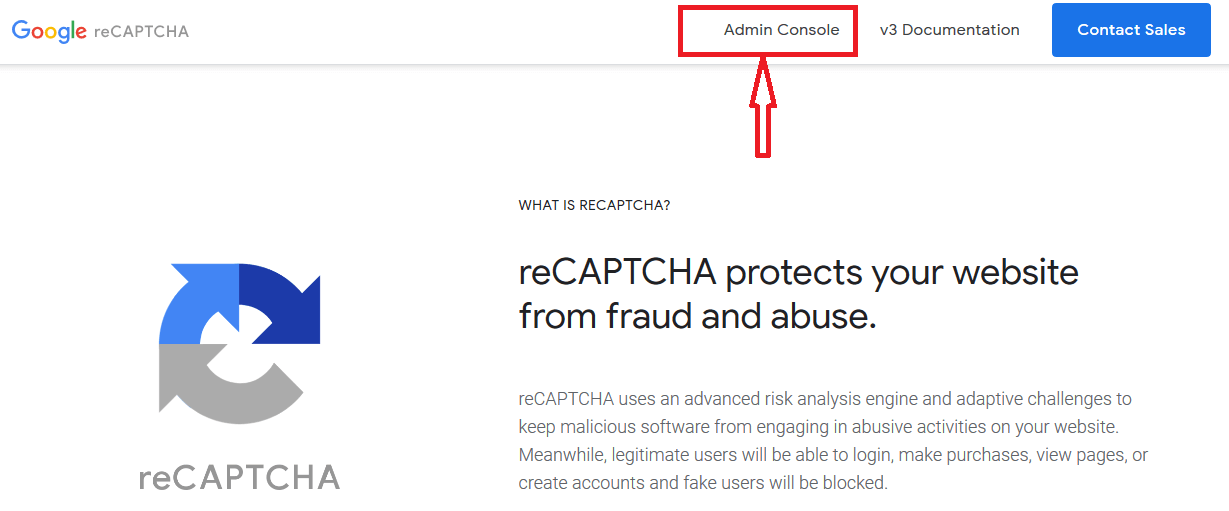
- Integrate CAPTCHA codes like Google reCAPTCHA to block automated bots specialized in spreading junk links.
- Limit the maximum number of links allowed in each comment.
- Set up automated filters to reject or blacklist comments containing suspicious URLs.
- Install reputable anti-spam plugins such as Akismet or Antispam Bee.
These technical settings create a strong layer of defense. Especially for those operating ecommerce automation or managing multiple TikTok Shop accounts, carefully controlling links in product descriptions and automated messages is key to avoiding platform violations.
Content Display Control:
- Enable manual comment moderation before allowing them to appear publicly on the site.
- Prevent newly established accounts from inserting links in their first few posts.
- Clear authorization, limiting the function of posting or inserting links for regular members.
- Add rel="nofollow" or rel="ugc" attributes to all user-generated links to prevent search engine bots from crawling them and passing SEO points.
A strict moderation process helps the website avoid facing penalties. For those running eBay selling accounts, this caution also helps protect accounts from policy violation reports.
Incident Handling:
- Mass delete comments containing junk links that slipped through system filters.
- Permanently block IP addresses or accounts showing signs of mass distribution.
- Check server log files to early detect unusual bot traffic.
- Frequently monitor backlink fluctuations via Google Search Console to promptly stop attacks from competitors.
8.2. For Internet Users:
Individuals should equip themselves with basic defense layers by maintaining safe browsing habits.
- Absolutely do not click on strange links sent via inboxes, emails, or public comment sections.
- Carefully check the domain structure of a website before accessing to avoid falling into fake sites of major brands.
- Increase vigilance with shortened links of unknown origin or content with sensational, threatening titles, especially when using link shortening sites to earn money.
9. Distinguishing spamming links vs. legitimate link building
To fully understand the nature of spamming links, administrators must distinguish between manipulative behavior and legitimate link-building strategies. This is especially important for those learning how to blog. The comparison table below provides a visual overview.
|
Criteria |
Spamming links |
Legitimate Link Building |
|
Relevance |
Placed indiscriminately, unrelated to the hosting content. |
Placed within content with a closely related topic. |
|
Origin |
Often from junk sites, abandoned forums, automated comments. |
From reputable websites with quality, industry-related content. |
|
Method |
Uses automated tools (bots) to spread mass links quickly. |
Performed manually through content contribution and relationship building. |
|
User Value |
Causes annoyance, deceives, or redirects to bad content. |
Provides useful additional information and valuable references. |
|
Core Purpose |
Manipulate search algorithms to boost rankings at any cost. |
Build sustainable credibility and attract natural traffic. |
|
Risk Level |
Very high, easy to get penalized or removed by Google. |
Safe, helps increase rankings stably and long-term. |
Differentiating these criteria not only helps orient the right SEO strategy but also effectively supports affiliate marketing on blogs to achieve the highest efficiency without violating network regulations.
10. Conclusion
The act of creating spamming links may bring short-term benefits, but the long-term risks are immeasurable. This issue not only destroys the optimization efforts of honest practitioners but also directly threatens the information safety of network users. Therefore, building natural links, complying with webmaster principles, and providing quality content is always the only path to sustainable website development.
11. FAQ
1. Are spamming links illegal?
Ordinary link spamming is not directly illegal, but if it involves fraud, malware distribution, or stealing personal information, it can be prosecuted under the law.
2. Can clicking a spam link get my account hacked?
Possibly. If that link leads to a phishing page or contains malware, users risk having login information stolen or malware installed on their devices.
3. Does Google penalize all bad backlinks?
No. Google now tends to automatically ignore most spam backlinks. However, if a website actively creates or buys large numbers of low-quality links, there is still a risk of penalty.
4. Should I disavow all strange backlinks?
Not necessarily. Only use the disavow tool when certain that those backlinks are spam and could affect the website. Rejecting too many links could lose valuable backlinks.
5. How do I know if a link is safe?
Users can check the domain, landing page content, security signs (HTTPS), and avoid links with suspicious signs like unusually long URLs, typos, or sensational content.
6. Are spamming links still effective in SEO?
In the short term, some spamming techniques can still create certain effects. However, in the long run, this is a high-risk strategy easily handled by search engines.
7. Are new websites easily attacked by spamming links?
Yes. New websites often have low trust, making them easy targets for negative SEO tactics, including being pumped with junk backlinks.
8. Is there a way to completely block spamming links?
It cannot be blocked completely, but it can be minimized by using anti-spam tools, moderating content, and raising user awareness.