Ever thought about starting to make money online but felt a bit lost? Well, here's a question for you: ever heard of dropshipping? If not, no worries!
In this blog post, we'll break down what dropshipping is and how to start dropshipping. By the end, you'll have the lowdown on dropshipping to kick off your online adventure and a starter kit to start your business with dropship.
So, are you ready to explore the world of dropshipping? Let's dive in and discover what it's all about!
1. What is Dropshipping?
Before discovering how to start dropshipping, you need to understand what it is and how it works.
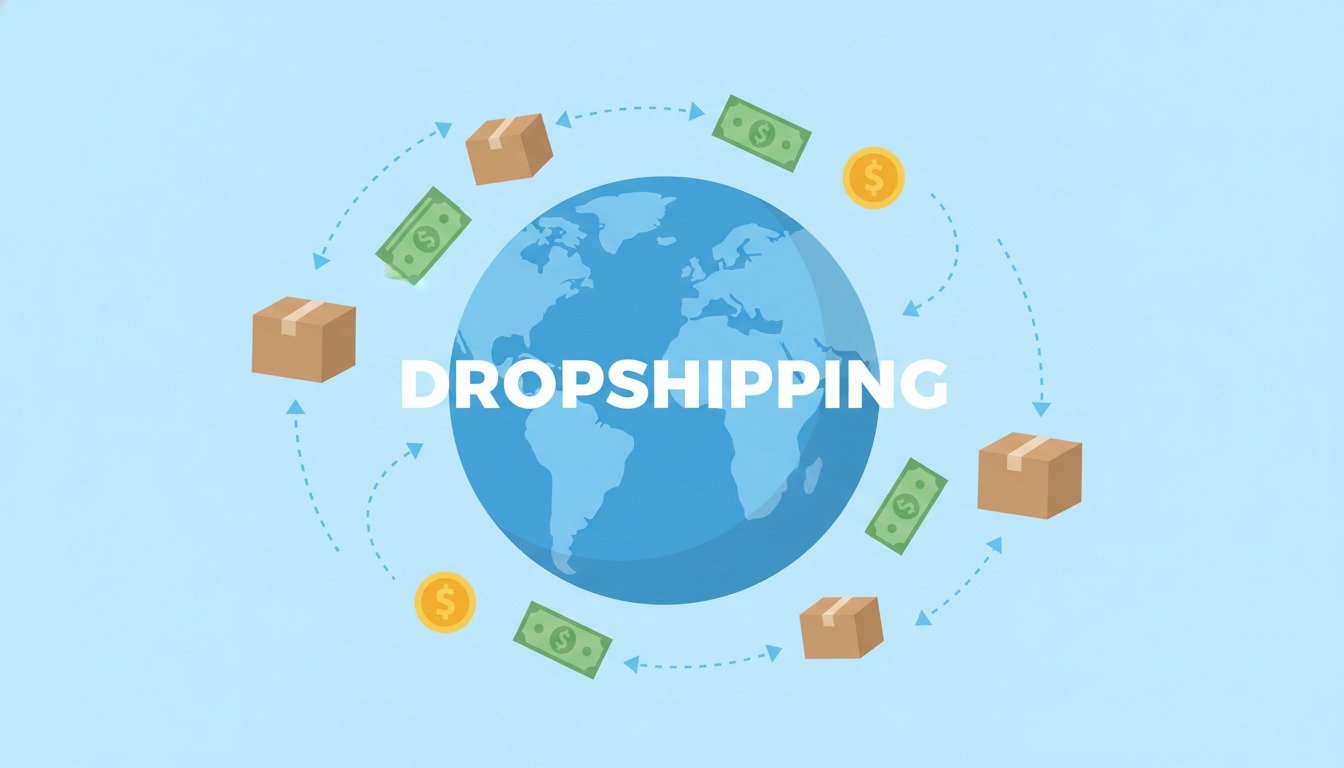
Dropshipping is a method of selling products online without the need to keep them in stock. When orders are placed, you provide buyer information to the supplier, who takes responsibility for packing and directly shipping the products to the customer. Businesses, instead of managing physical stock, facilitate the sale, leaving the packing and shipping tasks to the supplier.
In practice, dropshipping is more than simply “selling products without holding inventory.” The model follows a clear operational flow:
Customer → Online store → Supplier → Fulfillment → After-sales support
A customer places an order on your store. You then forward the order details to your supplier, who handles packaging and shipping directly to the customer. While you never physically touch the product, you remain fully responsible for pricing, product presentation, customer communication, and post-purchase support.
This is a critical point many beginners overlook: even though the supplier handles fulfillment, the seller owns the customer experience. Any delays, defects, or service issues ultimately reflect on your business, not the supplier.
You can still build your own business by having an array of products from various suppliers and selling them to customers worldwide.
We have covered the Pros and Cons of Dropshipping in another article. Check it out.
1.1. Dropshipping vs other eCommerce models
To properly understand dropshipping, it’s important to distinguish it from other common eCommerce business models.
-
Dropshipping vs Private Label: Dropshipping relies on existing products supplied by third parties, with little control over manufacturing or branding. Private Label, on the other hand, involves selling products under your own brand, often with custom packaging and higher upfront investment. Dropshipping is easier to start, while Private Label offers stronger brand control and higher long-term margins.
-
Dropshipping vs Wholesale: Wholesale requires purchasing inventory in bulk and storing it before selling. This provides better cost control and faster shipping but demands more capital and operational overhead. Dropshipping eliminates inventory risk but increases dependency on suppliers and typically results in thinner profit margins.
Each model serves different goals, budgets, and levels of experience.
For example, a seller launches a dropshipping store selling pet accessories. Initially, they focus on store design and advertising while relying on a supplier to fulfill orders. As sales grow, customer complaints begin to appear due to slow shipping times and inconsistent product quality. To maintain customer satisfaction, the seller either switches suppliers or transitions top-selling products to a Private Label model.
This example highlights an important reality: dropshipping is often a starting point, not the final destination, especially for sellers aiming for long-term brand growth.
2. Benefits when starting dropshipping
The benefits of dropshipping are still real, but they are not automatic. Today’s competition, rising ad costs, and changing platform rules mean success requires a clear strategy. Low budget doesn’t mean no investment: stores still need spending on marketing, testing products, and optimization. Scalability and flexibility depend on reliable suppliers and disciplined operations. Dropshipping works best when treated as a structured business, not a shortcut to quick profits.
2.1. Easy to start
Starting a business can be a maze, but not with start dropshipping. No need for a warehouse or stacks of inventory. Just grab your laptop, connect to the internet, and voilà – you're in business.
2.2. Low budget
Forget about breaking the bank. When start dropshipping, you don't need heaps of cash upfront. No buying loads of products in bulk. It's a budget-friendly option, perfect for those taking their first steps into the business world.
2.3. Scalability
It’s easy for you to scale the business when start dropshipping. Imagine your business takes off. Instead of drowning in boxes of products, you can smoothly add more without the storage headache. It's like turning up the volume without cranking up the stress.
Especially when you start dropshipping on Ecommerce platforms such as Etsy, eBay, Amazon, you can easily scale your business by creating different multiple accounts and managing all of them on the same device.
2.4. Flexible location
Dreaming of running your business from a cozy spot? When start dropshipping, your location is as flexible as a yoga instructor. As long as you’ve got Wi-Fi, you're golden. Work from home, a café, or that dreamy cabin in the woods.
2.5. Broad product offerings
Want a store with a bit of everything? Dropshipping is your answer. You can showcase a wide array of products without worrying about where to put them. Your virtual shelves can be as diverse as you want.
3. Challenges facing when starting dropshipping
Dropshipping is a vast field, bringing benefits but also challenges:
3.1. Reliance on third-party suppliers
Imagine planning a surprise party, and your buddy is bringing the cake. Sometimes they show up on time, sometimes fashionably late. That’s a bit like dropshipping – you depend on others, and that can be a bit nerve-wracking.
3.2. High level of competition
Dropshipping is a popular gig – everyone's trying to get in on it. It's like standing out in a massive crowd. You've got to find your unique groove, that special something that makes customers choose you over others.
3.3. Tight profit margins
Money matters, right? Well, with dropshipping, your profit margins might be slimmer than you'd like. Between product costs and shipping fees, it's a bit of a financial balancing act. Keep an eye on those numbers.
3.4. Difficult customer support
Ever tried juggling multiple things at once? Handling customer support in dropshipping feels a bit like that. You're the middle person, managing expectations and issues with suppliers and customers. It's a skillful act.
3.5. Platform & account risks
One of the most overlooked challenges in dropshipping is platform and account risk. Many new sellers fail not because their products are bad, but because their stores or payment access are restricted early on.
Ecommerce platforms such as Shopify, TikTok Shop, and online marketplaces enforce strict policies on product claims, shipping times, and customer experience. New dropshipping stores are especially vulnerable to shutdowns if they trigger risk signals such as high refund rates, misleading product descriptions, or inconsistent fulfillment.
Another common issue is payment holds and chargebacks. Payment processors often delay payouts for new stores until transaction history and customer satisfaction are proven. High chargeback rates or disputes can freeze funds and disrupt cash flow, making it difficult to reinvest in marketing or operations.
This is why many beginners “fail early.” Without understanding platform rules, compliance requirements, and risk management, sellers can lose their store or payment access before the business has a chance to stabilize. Successful dropshipping in 2026 requires not only product and marketing skills, but also strong awareness of platform policies and operational discipline.
4. What do you need when starting dropshipping?
If you’re interested in starting dropshipping, here are things you need to prepare:
4.1. Choose a profitable niche
Choosing a profitable niche is the first and most critical, step when starting a dropshipping business. Your niche defines what products you sell and who your target customers are. Many beginners make the mistake of choosing random or trending products without validating demand or competition, which often leads to low sales and wasted effort.
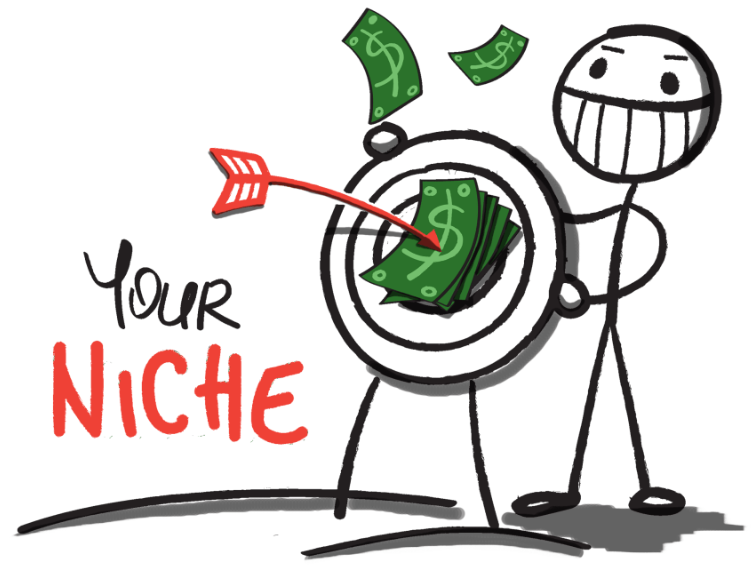
4-step framework to choose a profitable dropshipping niche.
Demand
Start by confirming that real demand exists. Use market research tools such as Google Trends, Amazon Best Sellers, and AliExpress to identify products with consistent interest. Focus on historical trends to determine whether demand is stable or simply driven by short-term hype. Products with long-term demand are more suitable for building a sustainable store.
Competition
Next, analyze the competitive landscape. Visit Shopify stores, Amazon, and eBay to identify successful dropshipping businesses within the niche. Study their product selection, pricing, branding, and customer engagement. Tools like SEMrush or Ahrefs can also help uncover competitors’ top-performing keywords and content strategies. A good niche has competition but not so much that new sellers cannot realistically enter.
Price range and profit margin
A profitable niche must allow room for advertising costs, shipping, platform fees, and refunds. Products with very low prices often leave little margin, while extremely high-priced items can reduce conversion rates. Look for products with low sourcing costs but high perceived value, such as phone accessories, fitness gear, or eco-friendly products, where a reasonable profit remains after all expenses.
Ad potential
Finally, evaluate how easy the niche is to market. Strong dropshipping niches typically feature products that are visually appealing, solve a clear problem, or trigger emotional interest. If products can be demonstrated effectively through short videos or images, they are more likely to perform well on paid advertising platforms.
Additional factors to consider
- Target a specific audience: Instead of broad categories like “home decor,” focus on sub-niches such as “minimalist wooden wall clocks.” Narrow niches help you stand out, attract a more defined audience, and improve conversion rates.
- Repeat purchase potential: Niches that support repeat purchases or upsells such as skincare, pet supplies, or consumables, tend to generate higher lifetime customer value and more stable long-term revenue.
By following this structured approach, sellers move beyond trial and error and make niche decisions based on demand, competition, and real business viability. This is how experienced dropshippers identify opportunities and reduce early-stage risk.
>>> 30+ Ecommerce business ideas to start (Low risk, high growth)
4.2. Find reliable suppliers
Finding reliable suppliers is one of the biggest factors that determine whether a dropshipping business survives or fails. Even with a strong niche and effective marketing, unreliable suppliers can cause late deliveries, poor product quality, and refund disputes, quickly damaging your store’s reputation.
Rather than choosing suppliers based on price alone, sellers should evaluate them using clear, consistent criteria.
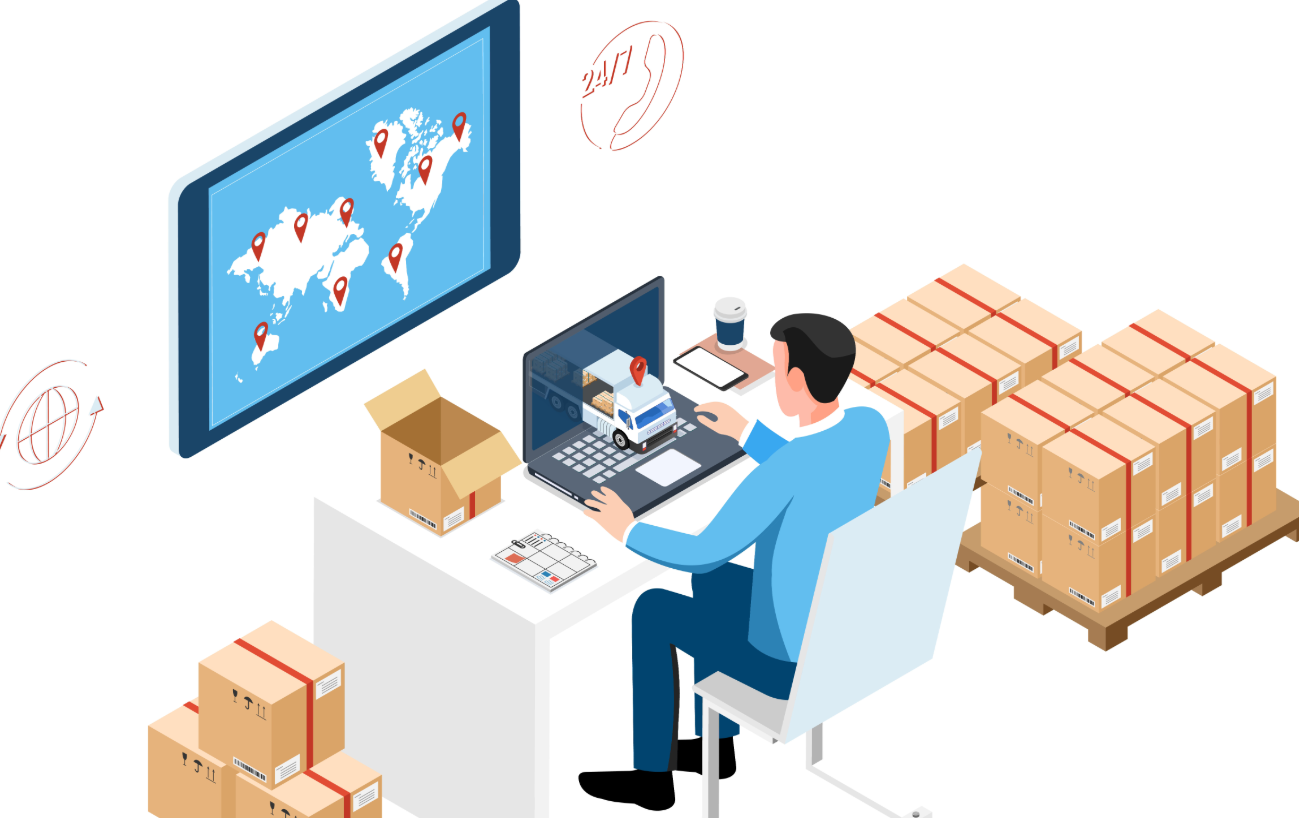
Supplier evaluation checklist
Before working with any supplier, review the following checklist:
- Ratings and reviews: Look for suppliers with consistently high ratings and detailed customer feedback, not just a large number of orders.
- Order samples: Always place test orders to verify product quality, packaging, and accuracy before selling at scale.
- Shipping time and consistency: Check real delivery times, not just the estimates shown on the platform. Long or unpredictable shipping is a common cause of chargebacks.
- Communication speed: Reliable suppliers respond clearly and quickly, especially when issues arise.
- Stock stability: Frequent stock changes or sudden product removals can disrupt active campaigns.
Quick comparison: popular supplier options
- AliExpress: Easy to start and widely accessible, but shipping times and quality control vary significantly between sellers. Best for testing, not long-term scaling.
- CJ Dropshipping: Better integration, more stable fulfillment, and faster shipping options compared to AliExpress, though product selection may be narrower.
- Private agents: Offer the best control over pricing, branding, and shipping speed, but usually require consistent order volume and stronger supplier relationships.
Watch out for “bait & switch” suppliers
A common risk for beginners is the bait & switch tactic, where suppliers advertise high-quality products or fast shipping but quietly ship lower-quality items or switch logistics once orders increase. Warning signs include sudden changes in product images, inconsistent tracking updates, or excuses when delivery times spike.
To reduce this risk, sellers should regularly reorder samples, monitor customer feedback closely, and avoid over-reliance on a single supplier.
Reliable suppliers are not just vendors, they are long-term partners. Building stable supplier relationships early helps reduce operational risk, improve customer satisfaction, and create a more resilient dropshipping business.
4.3. Set up your online store
Once you have a niche and suppliers, it's time to create your online store. Shopify and WooCommerce are the most popular platforms for setting up a dropshipping business. Shopify is beginner-friendly, with a simple drag-and-drop interface, while WooCommerce offers more flexibility for customization.
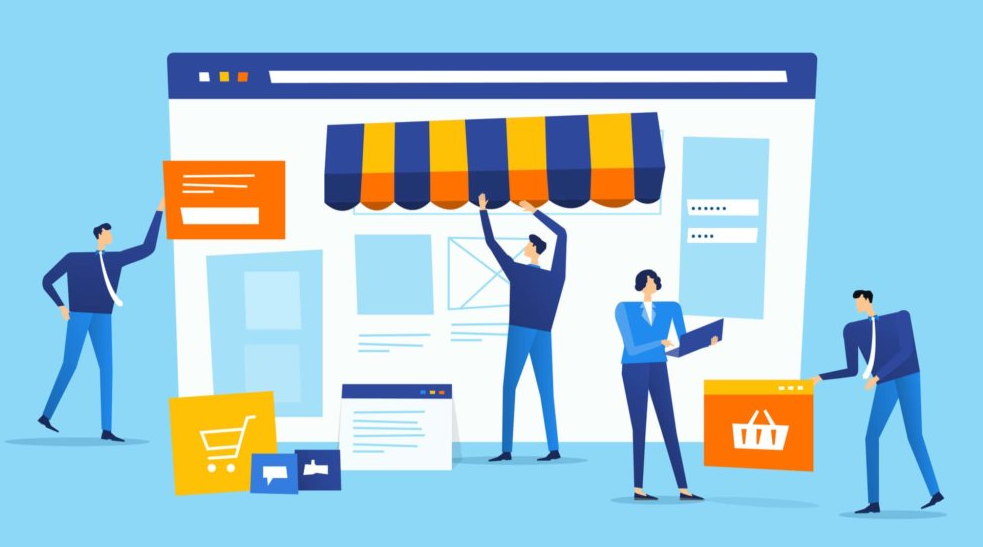
To set up your online store, you can follow this guide:
- Choose a domain name: Pick a brandable and easy-to-remember name that reflects your niche. Use tools like Namecheap or GoDaddy to check for domain availability.
- Select an e-commerce platform: Shopify is ideal for beginners due to its user-friendly setup, while WooCommerce is great for those comfortable with WordPress.
- Design a professional website: Use clean layouts, high-quality images, and compelling product descriptions. Ensure your website is mobile-friendly since most shoppers use smartphones.
- Optimize for SEO: Include keywords like "how to start dropshipping," "best dropshipping products," and "dropshipping suppliers" in your product descriptions, blogs, and meta tags.
- Install essential apps: Apps like Oberlo (Shopify) or AliDropship (WooCommerce) streamline product import and fulfillment. Use review apps like Loox to display social proof and build credibility.
4.4. Manage multiple dropshipping stores safely
Many dropshippers run multiple stores or supplier accounts to increase revenue. However, eCommerce platforms and suppliers often track user activity and can ban accounts if they detect multiple logins from the same device or IP address.
The first thing you need to understand is that you are never completely secure online. Websites and platforms have advanced detection methods that can track your activity through browser fingerprinting.
Simply put, browser fingerprinting works like a human fingerprint - it is a unique identifier for each device on the internet. Even if you change your IP address or use incognito mode, websites can still track you because browser fingerprints contain multiple data points, such as your operating system, browser version, browser type, screen resolution, device memory, local storage, cookies, extensions, IP address, and more.
To protect multiple dropshipping accounts, you need a specialized tool like the antidetect browser Hidemyacc. This tool creates separate browser profiles, each with a unique set of fingerprinting parameters. Every profile operates independently, mimicking entirely different devices with distinct online identities. You can customize these fingerprinting parameters as needed and use proxies to assign different IP addresses to each profile.
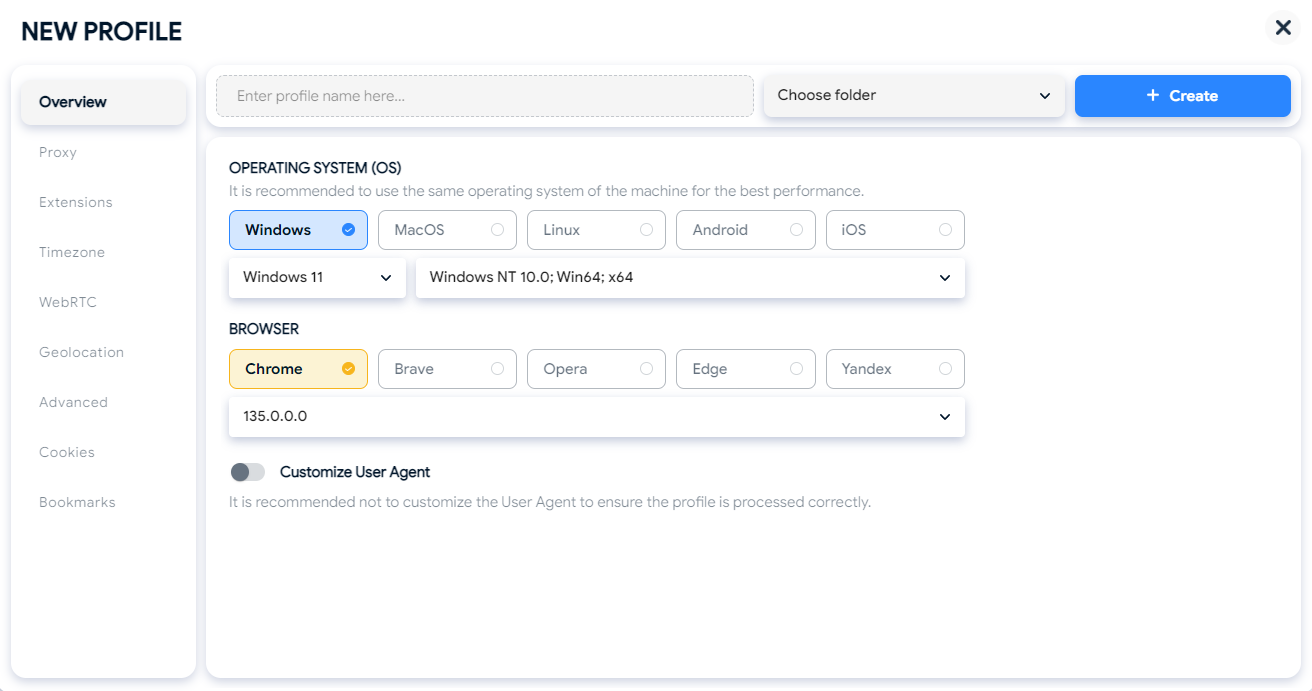
By combining proxies with the antidetect browser Hidemyacc, you can create a clean environment for registering and managing multiple dropshipping accounts across different platforms without being detected. However, to further reduce the risk of account suspension, keep these best practices in mind:
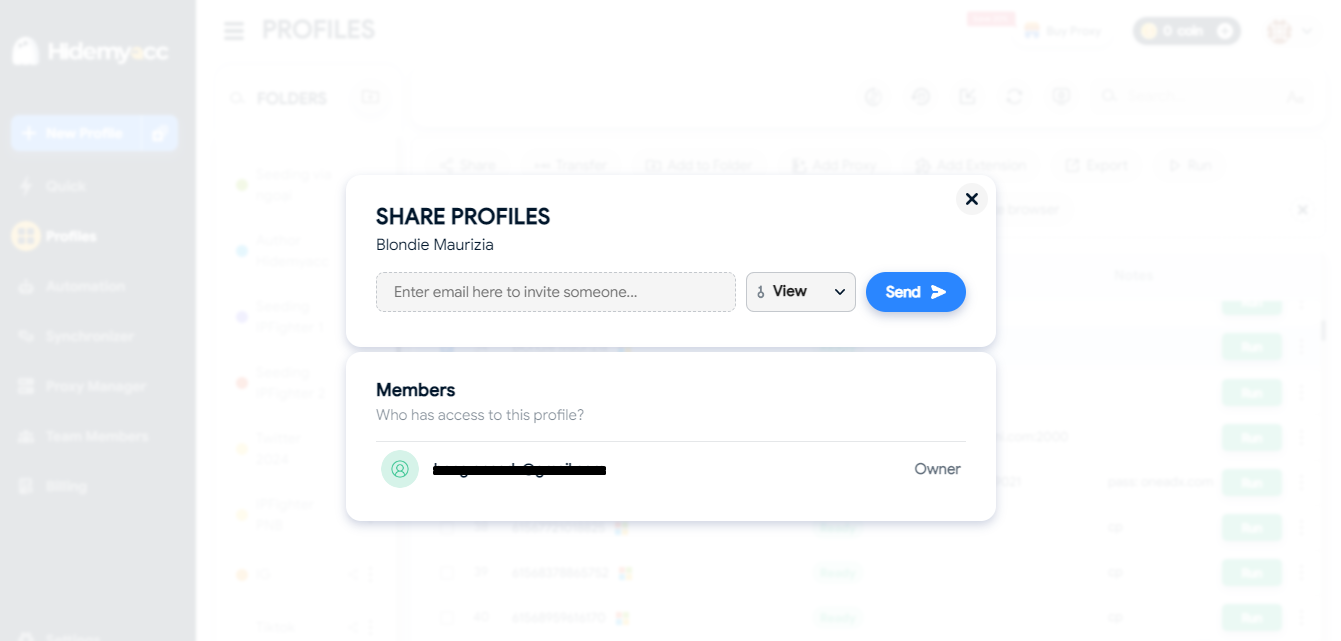
- Avoid shared accounts: Never log into your store accounts from public or shared devices, as this increases the likelihood of detection. Instead, keep your store accounts logged in on Hidemyacc profiles and grant access to team members. Even if a profile is run from a different device, the website will still recognize it as the same login from a single, consistent device.
- Separate business emails: Use different email addresses for different stores to prevent accidental linkages and ensure better account management.
- Monitor platform policies: Stay updated with the terms of service for platforms like Shopify, eBay, and Amazon. Violating their policies could result in account bans, so always ensure compliance with their latest rules.
4.5. Take care of the finances
Many dropshipping guides focus on products and marketing but overlook financial management. In reality, poor cash flow planning is one of the main reasons new dropshipping stores fail, even when sales appear to be growing.
To run a sustainable dropshipping business, sellers must track not only revenue and ad spend, but also hidden and delayed costs that directly affect profitability.
Commonly overlooked costs
- Refunds: Refunds are inevitable in dropshipping due to long shipping times, damaged products, or unmet expectations. Sellers often refund customers before receiving funds back from suppliers, creating short-term cash flow pressure.
- Chargebacks: Chargebacks occur when customers dispute transactions with their banks. These not only reverse the payment but also add processing fees and negatively impact your payment processor risk score. Repeated chargebacks can lead to payment holds or account termination.
- Payment processing fees: Platforms like PayPal, Stripe, and marketplace payment systems deduct fees per transaction, which can significantly affect margins at scale.
- Currency conversion and payout delays: Selling internationally often involves exchange rate losses and delayed payouts, making it harder to reinvest in ads or inventory.
Why financial discipline matters early
New sellers often reinvest all incoming revenue into ads without accounting for refunds, disputes, or delayed payouts. When refunds or chargebacks spike, the store may suddenly lack enough balance to cover ad costs, supplier payments, or platform fees.
A safer approach is to maintain a financial buffer, track net profit rather than gross revenue, and review refund and dispute rates weekly. This level of discipline helps sellers survive early-stage volatility and scale with confidence.
Taking care of the finances is not just bookkeeping, it is risk management. Sellers who understand their real margins and cash flow are far more likely to build a long-term dropshipping business instead of a short-lived one.
4.6. Market your dropshipping store
Driving traffic to your store is essential for making sales. There are several ways to market your store effectively, including paid ads, social media marketing, and search engine optimization.
- Facebook & TikTok ads: These platforms allow targeted advertising based on user behavior and interests. Run A/B tests to find the best-performing ad creatives.
- Influencer marketing: Collaborate with Instagram, YouTube, or TikTok influencers to promote your products. Negotiate commission-based deals to lower upfront costs.
- SEO for organic traffic: Write blogs on topics like "best dropshipping products" and optimize product pages for search engines.
- Email marketing: Set up automated email sequences for cart abandonment recovery, welcome offers, and product recommendations.
- Social proof & reviews: Encourage satisfied customers to leave reviews and post user-generated content. Display trust badges to increase conversion rates.
5. Conclusion
In summary, Hidemyacc hopes that this blog post has given you insight into “How to start dropshipping”. There are many tools to help you do Dropshipping, including VPS and antidetect browser. We have a comparison article that provides more knowledge to help you choose which tool is right for you: Dropshipping - VPS or Antidetect Browser - Which is the best choice?
Dropshipping is an awesome journey, especially if you're just starting out and working with a tight budget. By using the antidetect browser Hidemyacc along with a proxy, you can set up multiple accounts and expand your business easily.
To experience the benefits of this combination, download Hidemyacc now and start your 7-day trial.
Start building your dropshipping system the right way
Use Hidemyacc to manage multiple stores safely, reduce account risks, and scale with confidence.
Get your 7-day free trialIf you have any questions, comments, or suggestions, please don't hesitate to reach out to us via Telegram, Skype, or Facebook Messenger support. We're here to assist you.
6. FAQ
Is dropshipping still profitable in 2026?
Yes, but only with the right niche, marketing strategy, and cost control. Dropshipping is no longer a quick-win model.
How much money do I need to start dropshipping?
You need a small budget for store setup, tools, and especially marketing. Low budget does not mean zero cost.
Why do many dropshipping stores fail early?
Poor niche research, unreliable suppliers, high ad costs, and platform or payment risks.
Can I run multiple dropshipping stores?
Yes, but each store must be properly separated to avoid account and platform risks.
Is dropshipping legal?
Yes, as long as you follow platform policies, product regulations, and consumer laws.