Spam accounts are types of accounts created not for authentic interaction but to perform repetitive, often automated, behaviors for profit or harassment. They are commonly used to spread junk content, manipulate engagement metrics, or carry out sophisticated fraudulent activities.
Understanding the nature of junk accounts is crucial for protecting transparency and trust in the digital space. Especially when managing multiple social media accounts, clearly distinguishing between quality accounts and spam accounts will help mitigate risks related to platform algorithms and policies.
1. What is a spam account?
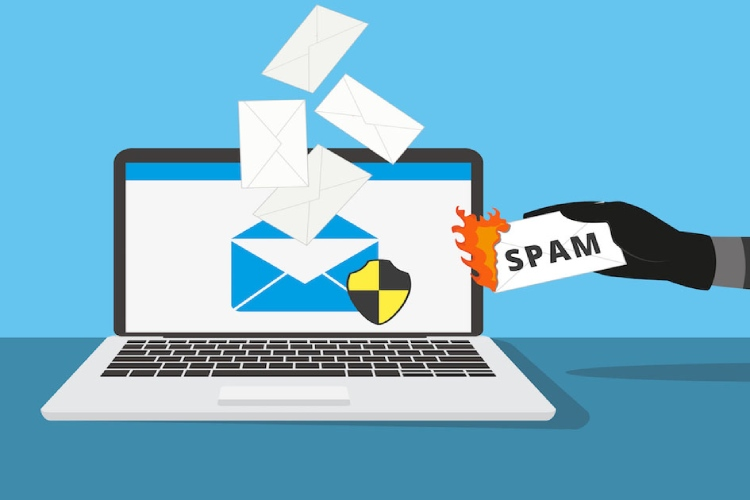
To accurately understand what a spam account is, one must look at how they are designed and operated in the digital environment. Unlike regular personal accounts created to build relationships and share content, spam accounts are usually built on a model of quantity optimization. This is reflected in three main aspects:
- Profile Indicators: These accounts are often created quickly with low levels of personalization. The goal is not to build a personal brand but to survive long enough to complete a specific task, such as spreading links or increasing engagement.
- Activity patterns: They operate on short-term exploitation cycles instead of stable activity like real users. You might see a spam account post a series of content in just a few minutes, or an account that has been dormant for a long time suddenly reactivate with extremely high intensity.
- Interaction logic: Instead of selective interaction, they aim for broad reach. Instead, they operate according to fixed behavior patterns such as bulk-tagging strangers, posting generic comments, or sending automated messages.
In short, the presence of a spam account not only inconveniences the user experience but is also a sign of underlying information manipulation or fraud campaigns. Understanding their mechanical nature is an important foundation for building defense measures and maintaining your account's safety.
2. How to identify a spam account
To avoid confusion, you need to analyze thoroughly and compare actual signs instead of looking at a single factor. A spam account often reveals vulnerabilities in terms of information and behavior that automated scanning systems or experienced users can easily recognize. Here are the signs that help you quickly detect if an account is spam:
2.1. Incomplete or Suspicious Profiles
The first characteristic of a spam account is the lack of investment in personal images and content.
- Username: Often a random string of characters (e.g., @user837492) or generated by automated naming algorithms, lacking a human personal touch.
- Profile Picture: Usually left blank, using low-quality stock photos, or using photos of celebrities.
- Bio: Often left blank or containing only solicitations accompanied by links to websites of unknown origin.
A real account usually shows investment in personal images and self-description. In contrast, spam accounts often skip this step to save time when creating accounts in bulk.
2.2. High Following-to-Follower Ratio
A common feature of spam accounts is the imbalance in engagement metrics. These accounts often follow thousands of people in a short time to attract attention, yet their follower count remains near zero. This is a manifestation of using automated tools to race for quantity without concern for interaction quality.
2.3. Repetitive and irrelevant content
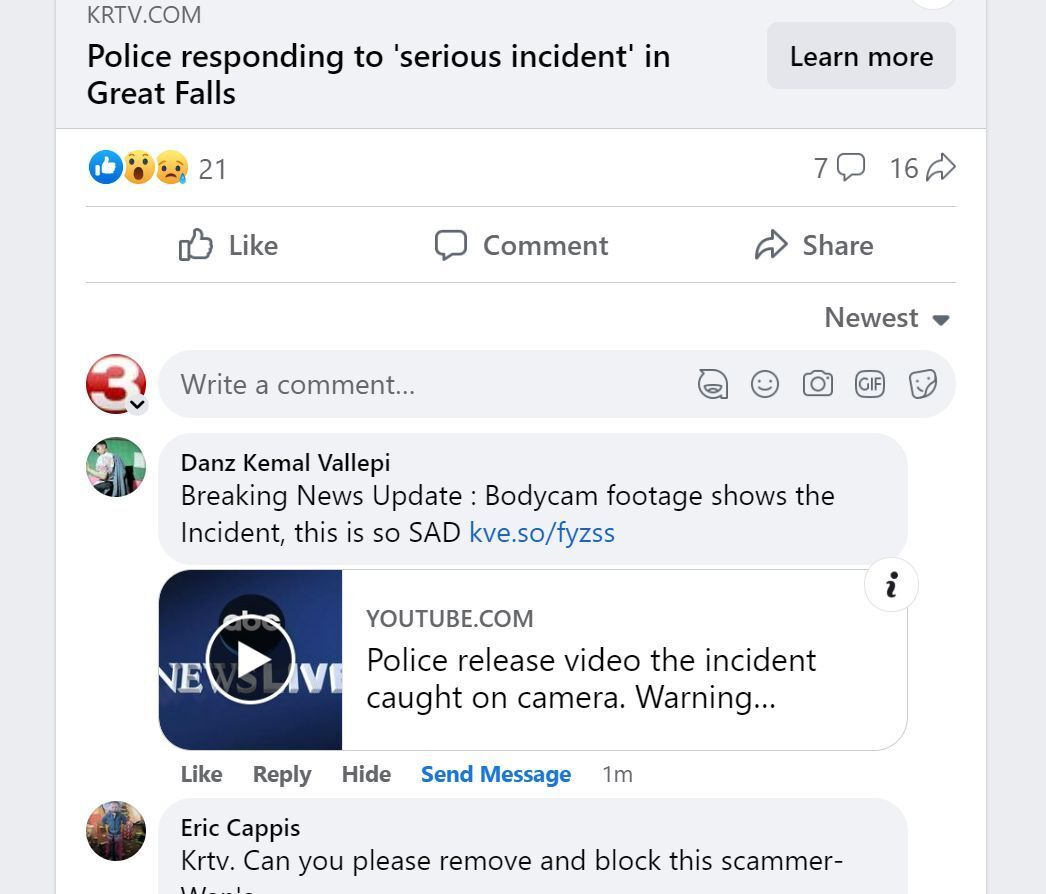
Examine the account's activity history. A spam account will continuously post repetitive, irrelevant content or focus solely on inserting advertising links. Generic comments like “Nice pic”, “Check my profile”, or “DM me” appear on many different posts without any contextual connection.
3. Why do people create spam accounts?
The appearance of a spam account is never accidental. Behind every junk account is a systematically established system designed to serve specific purposes, from seeking illicit profits to sophisticated cyberattacks.
3.1. Commercial advertisng and Affiliate marketing
This is the most common motive leading to the explosion of junk account networks. Individuals or organizations operate virtual account systems to spread links advertising low-quality products, gambling sites, or fake discount codes.
The ultimate goal is to attract clicks to earn commissions from affiliate marketing or lure users into buying goods on untrustworthy platforms. In many cases, promotional content is posted in bulk through bot activities, making it difficult for users to distinguish truth from falsehood.
If you are new to digital advertising or affiliate marketing, understanding this mechanism is crucial to avoid applying spam tactics that could lead to account bans or long-term reputation damage.
Learn more: What is Digital Advertising and how to get started
3.2. Creating fake engagement and building false credibility
In the digital environment, metrics such as followers or likes are often considered a measure of credibility. Therefore, many individuals use spam accounts to provide virtual engagement services, helping sales pages or personal profiles that want to build a celebrity image.
However, increasing followers or engagement using junk accounts is only short-term. Social media platforms are increasingly tightening algorithms to detect manipulation. When detected, the account may face reduced visibility, restricted features, or a permanent ban.
Instead of using spam accounts, building a brand sustainably and transparently is always a safer and more effective long-term solution. You can refer to the setup process as well as how to choose reputable account sources here:
Guide to creating multiple Facebook accounts: Practical solutions for 2026
Summary of reputable websites to buy social media accounts in bulk
3.3. Phishing and cyber security risks
More dangerously, spam accounts are used for cybercriminal activities. Instead of just being annoying, these accounts directly threaten user information safety and assets through two main forms:
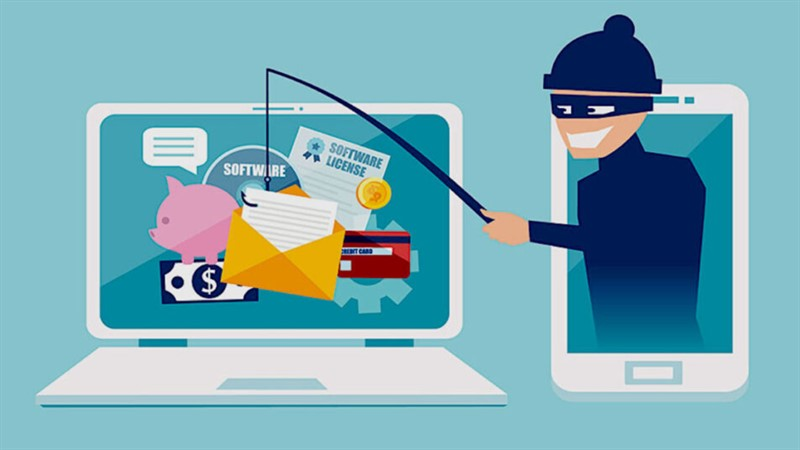
- Impersonation and online fraud: Bad actors often build sophisticated scam scenarios such as winning notifications, gratitude gifts, or impersonating Facebook/Instagram support to send login links. When you click on links sent from these spam accounts, you risk malware installation or being lured to fake websites to steal information.
- Spreading misinformation: These accounts will simultaneously spread fake news or create a false herd effect. When hundreds of accounts share or comment on specific content, users are easily influenced psychologically into believing that information is accurate. This form of manipulation erodes trust in the social media environment and negatively affects the community.
In summary, regardless of the purpose, the existence of a spam account is always linked to violating user rights. You need to increase your vigilance to the maximum to protect your personal data and report any suspicious behavior to ensure your own safety.
4. Distinguishing spam accounts and similar concepts
To avoid misunderstanding and misjudgment, you need to clearly distinguish spam accounts from several types of accounts that are often confused. Not every account with missing information or unusual activity is a junk account.
4.1. Spam accounts vs. Social Media Bots
The most common mistake for marketing newcomers is equating bots with junk accounts (spam vs. bot). In reality, the line between them lies in the purpose of operation: a bot is a tool, while a spam account is the method of using that tool for malicious purposes.
|
Criteria |
Spam Account |
Social Media Bots |
|
Nature |
Account used to spread junk content |
Tool performing automated tasks |
|
Purpose |
Profit, fraud, or sabotage |
User support, data collection |
|
Validity |
Usually violates policies |
Can be valid if used correctly |
Sophistication arises when bad actors use bots to operate thousands of accounts at once, making it extremely difficult to distinguish between fake and real accounts.
4.2. Spam accounts vs. Burner Accounts (Finstas)
Not every account lacking personal information is a spam account. On social media, creating secondary accounts is a common behavior to protect privacy:
Secondary Account: Is an account of a real user created to share everyday content only with an extremely close group of friends. Their purpose is not to annoy others.
Both of these types have real owners and do not intend to harm or harass like spam accounts. You can look at the comparison table below to see the clear difference:
|
Criteria |
Spam Account |
Burner Accounts (Finstas) |
|
Core Purpose |
Spread junk content or manipulate engagement |
Information security, personal anonymity |
|
Typical Behavior |
Bulk tagging, link spreading, automated messaging |
Selective, limited interaction |
|
Credibility |
Completely fake profile |
Real account of a real user |
Owning multiple anonymous accounts for personal needs is a common and valid behavior in today's digital environment. Instead of judging based on profile completeness, understanding these concepts will help you maintain professionalism and ensure you don't miss quality interactions from real users.
4.3. Ghost followers vs. Active spammers
In the social media ecosystem, not all unusual accounts cause harm in the same way. Some exist passively and distort display data, while others directly perform behaviors to spread junk content. Therefore, it is necessary to distinguish clearly to understand the impact level of each group.
- Ghost Followers: These are accounts that are no longer active but still exist in the follower list. They do not interact, do not create content, and have almost no direct impact on other users. However, their existence can distort engagement metrics in the digital marketing environment.
- Spammers: Are direct threats. They continuously perform attack behaviors such as spreading malware or sending scam messages.
Distinguishing between ghost followers and active spam accounts helps clarify the impact level of each group in the social media environment, thereby avoiding confusion when evaluating interaction data.
5. Consequences of spam accounts for the Marketing ecosystem
In the digital marketing environment, accurate data and community trust are two foundational factors. The appearance of spam accounts not only causes interaction noise but also degrades the operational quality of the entire ecosystem through many consequences:
5.1. Distorting analysis data and market strategy
The most direct impact is data noise. When the system contains a large amount of junk accounts, metrics such as engagement rate, reach, and user behavior will no longer reflect reality.
This leads managers to make inaccurate assessments of actual market demand. Building strategies based on virtual numbers not only wastes time but also deviates from the brand's long-term development goals, preventing campaigns from reaching truly valuable audiences.
5.2. Reducing brand reputation and user trust
A sustainable ecosystem is based on trust between users and brands. When your comment section or inbox is flooded with content from spam accounts, the experience of real users is affected.
The failure to control junk accounts makes the brand image appear unprofessional in the eyes of the public. Especially on platforms requiring high authenticity, the appearance of excessive automated tools creates barriers preventing real users from connecting with you.
To better understand how modern systems protect information purity and core values for the community, you can refer to the following model:
See more: Can Substack detect an adblocker: Here is what you need to know
5.3. Negative impact on platform algorithms
Social media platforms operate based on algorithms to prioritize quality content and limit manipulative behavior. If your channel has a large number of spam accounts interacting in an industrial manner, the system will automatically question the account's integrity, leading to serious technical penalties.
The consequence is a risk of Shadow Banning – a form of punishment where the platform minimizes content appearance on users' feeds without official notification. Being restricted in engagement not only causes the brand to lose organic reach but also makes it extremely difficult to restore credibility in the eyes of the algorithm. To protect your communication channel, you need to actively identify unusual signs early:
Read more: What is Shadow Banning? How to identify and fix it when a channel is restricted
6. Conclusion
In summary, spam accounts are accounts created with the purpose of spreading junk content, manipulating engagement, or performing illicit profit behaviors, negatively impacting the social media environment. Properly identifying this type of account helps clarify the nature of interactions in the digital space and limits distortion in the data evaluation process.
Currently, social media platforms are increasing the application of AI and Machine Learning into moderation systems to detect and remove junk accounts at scale. These technologies have the ability to automatically analyze billions of user behaviors in real-time to identify and remove junk entities with high accuracy. This development not only helps minimize annoyance but also returns a transparent interaction space where true values are honored.
As a smart user or a Marketer, identifying and updating knowledge about security will be the most important key to adapting to the transformation of the digital space.
7. FAQ
1. What is the main purpose of a spam account?
The main purpose is to mass-distribute unwanted content such as advertisements, phishing links, or malware. In marketing, they are often used to increase virtual follower counts or manipulate public opinion through fake engagement.
2. How to recognize if an account is a spammer?
Look for signs such as generic usernames (e.g., @user9876), no profile picture, a bio containing suspicious links, and a following count much higher than the follower count. Their posts are often repetitive comments like "Check bio for gifts!".
3. Is interacting with a spam account dangerous?
Yes. Interacting with spam accounts, especially clicking on links they send via messages, can lead to phishing attacks, account hacking, or malware installation on your device. It is best to block and report them immediately.
4. Why does my social media account have many spam followers?
You might be targeted for using popular hashtags, leaving your account public, or your data might have been exposed from a third party. Spammers use automated bots to find and follow active accounts to increase visibility for their own profiles.
5. Do spam followers affect the growth of an Instagram or TikTok channel?
Certainly. Junk followers lower your engagement rate because they do not interact with content. Since platforms prioritize content based on engagement, having a "ghost" audience can cause the algorithm to hide your posts from real followers.
6. What is the difference between a bot and a spam account?
A bot is software programmed to perform certain tasks (some useful, like customer service bots). A spam account is a profile used for malicious or annoying activity; while many spam accounts are automated by bots, some are operated manually by humans.
7. Can I be banned for having too many spam followers?
Usually, you won't be banned for being followed by spammers, but the platform might "shadowban" your content or temporarily lock features if they suspect you bought those followers to manipulate metrics.
8. How to stop spam accounts from tagging me in posts?
You can adjust privacy settings on most platforms. Go to "Settings" => "Privacy" => "Tags/Mentions" and select "Only people you follow" or "No one" to prevent spam accounts from tagging you in promotional photos.
9. What should I do if a spam account impersonates my brand?
Report the profile immediately for "impersonation" using the platform's official reporting tool. Also, notify your followers via Stories or an official post to prevent them from being scammed or sharing sensitive information with the fake account.
10. Should I block or report a spam account?
You should do both. Reporting helps the platform's AI learn and eventually delete the account, while blocking ensures that specific account can no longer view your content or contact you. This also applies when managing communities on private platforms.