You click the checkbox. The page reloads. The same challenge appears again. Sometimes there's no error message at all — just a spinner that never resolves.
This is one of the most common complaints tied to Cloudflare's security layer, and it is almost never a sign that something is wrong with you personally. In most cases, it means Cloudflare's risk engine is reading a signal from your browser, your network, or your IP address that it doesn't trust yet.
This guide covers what's actually happening behind that checkbox, a fast triage checklist, nine concrete fixes ordered by how often they work, and what to do if the loop keeps coming back no matter what you try.
1. What's actually happening when Cloudflare "won't verify" you
The box you're clicking is Cloudflare Turnstile, the CAPTCHA replacement that has largely taken over from the older "checking your browser" interstitial and from third-party CAPTCHA puzzles. Understanding what it does before you click matters, because the click itself is often not the deciding factor.
Turnstile runs a set of non-interactive checks in the background before, or instead of, showing you anything to solve. These include:
- Proof-of-work computations your browser silently solves.
- Checks for standard Web APIs (WebGL, Canvas, timing behavior) that real browsers expose consistently.
- TLS and header consistency checks that compare how your connection is negotiated against known bot patterns.
If those signals score you as low-risk, the widget resolves instantly and you barely notice it. If they don't, Turnstile keeps re-issuing challenges or fails silently, and clicking the checkbox again doesn't change the underlying score.

When you do pass, Cloudflare issues a cf_clearance cookie. This cookie is tied to the specific IP address, TLS signature, and browser fingerprint that earned it — not just to "you" as a person. That's the detail most explanations skip, and it's the key to understanding almost every loop described below.
If the cookie's conditions change mid-session — your IP rotates, your fingerprint shifts, or your network path changes — the cookie stops being valid and you're back at the challenge. This is exactly why "I passed it once and now it's asking again" is one of the most common variations of this problem.
One more distinction worth making early: a verification loop is different from a hard block. If you're seeing an actual error code like 1020 or 1015 instead of a repeating challenge, that's Cloudflare's firewall rejecting the request outright, not asking you to re-verify — the fixes below won't apply the same way.
2. Quick triage: is it you, your network, or the site?
Before changing any settings, spend two minutes narrowing down where the problem actually sits. Run through this checklist in order and stop as soon as one step gives you an answer.
- Switch to mobile data instead of Wi-Fi. If the site loads, your home or office network — not your device — is the likely cause.
- Try a browser you haven't used on that site before. If it loads, something stored in your original browser (cookies, extensions, cache) is interfering.
- Open a fresh incognito window with extensions disabled. If it loads, a specific extension or a stale cookie is the culprit.
- Check whether the site is currently reachable for anyone else. If it's failing for other people too, this is happening on Cloudflare's or the site's side, and no local fix will help until it clears.
Once you know which of these four buckets you're in, the next section will feel a lot less like guesswork.
3. 9 fixes for "Cloudflare won't verify me" (ordered by how often they work)
These are ordered from most to least likely to solve a typical case. Work through them in sequence rather than jumping around, since each one also tells you something about the cause even if it doesn't fix the problem.
3.1. Turn off your VPN or proxy, or switch to a different one
Datacenter IPs and low-quality shared VPN IPs are the single most common trigger for this loop. Cloudflare scores IP addresses based on their history, and an address previously used for scraping or spam carries that reputation for every new user who gets it.
Test with your VPN fully disabled first. If the site loads immediately, you've confirmed the IP was the issue, and you can decide whether to switch providers or servers from there.

3.2. Clear cookies and site data for that specific domain
Cloudflare's cf_clearance cookie is tied to the network and browser conditions present when it was issued. A leftover cookie from a different IP or a different fingerprint state can actively cause a loop instead of preventing one.
In Chrome or Firefox, go to site settings for that specific domain and clear cookies and site data — not your entire browser history, just that one site. Reload and let it request a fresh cookie.
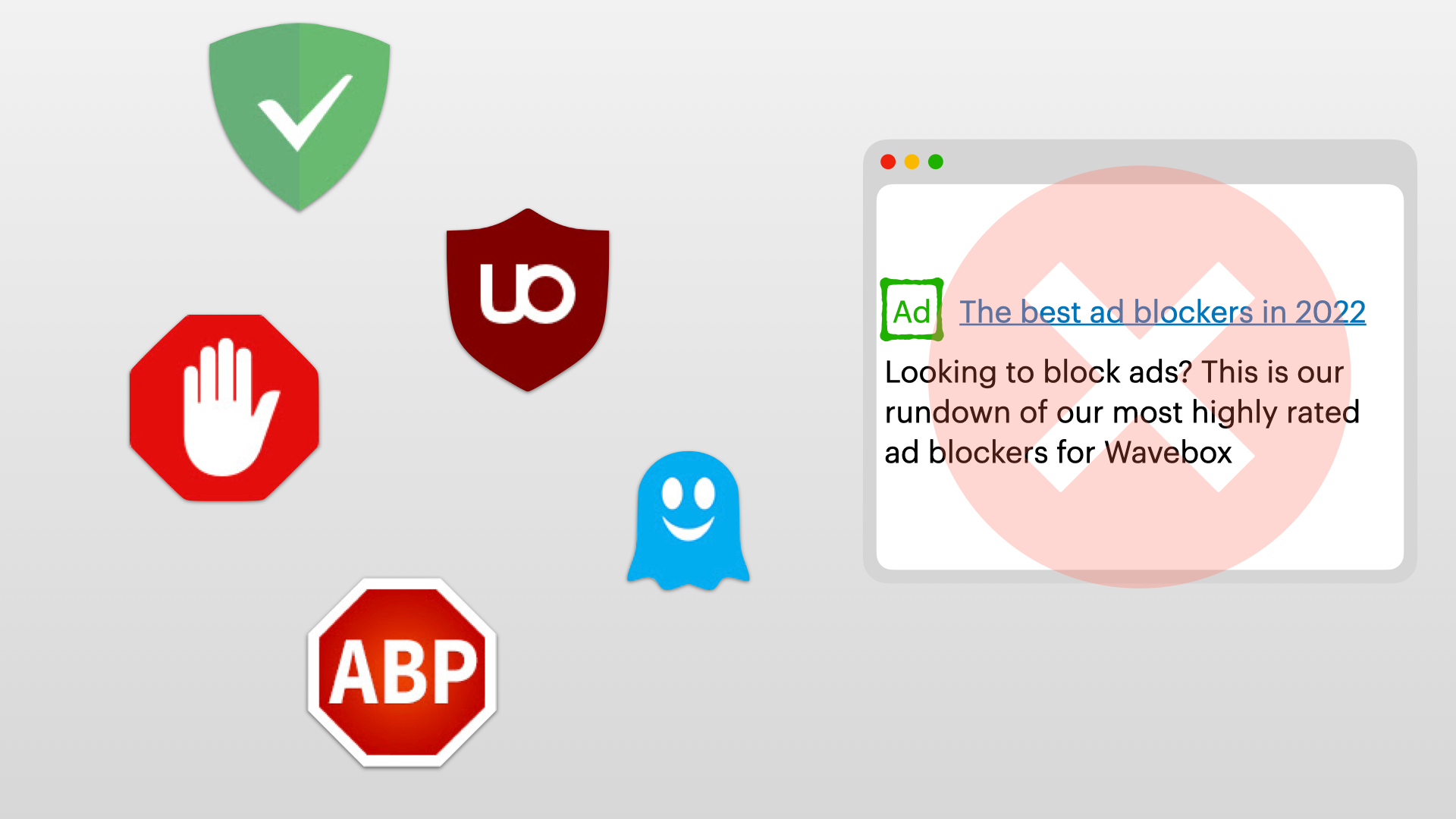
3.3. Temporarily disable aggressive privacy and ad-blocking extensions
Some privacy tools do more than block trackers; they alter or spoof the exact browser signals Turnstile checks. This includes canvas and WebGL fingerprint blockers, aggressive script-blocking modes in ad blockers, and tools that rewrite request headers.
Disable these one at a time for the site in question rather than uninstalling everything. If the page suddenly resolves after disabling one extension, you've found your cause.
4.4. Confirm JavaScript is enabled and nothing is silently blocking it
Turnstile depends on JavaScript execution and on being able to reach Cloudflare's own challenge endpoints. If either is blocked, the widget doesn't fail with a visible error — it just never completes.
Check for these two situations specifically:
- Browser settings or extensions like NoScript disabling JavaScript for the domain.
- Network-level filtering such as strict Pi-hole or NextDNS blocklists that unintentionally block Cloudflare's challenge scripts.
3.5. Update your browser to a current version
Turnstile's background checks rely on modern WebGL, Canvas, and cryptographic APIs. A browser that's several major versions out of date may simply lack the capabilities the challenge expects, which reads as suspicious rather than outdated.
If your browser hasn't auto-updated in a while, update it before troubleshooting anything else on this list. This single step resolves more cases than people expect.
3.6. Check your system clock and time zone
This one is easy to overlook. Significant drift between your system clock and real time can break TLS handshakes and cause token validation to fail, which looks identical to a normal verification failure from the outside.
Set your device to sync time automatically rather than using a manually fixed clock, then retry the page.
3.7. Restart your router to request a new IP
If your connection uses a dynamic IP or sits behind carrier-grade NAT (CGNAT), a router restart can sometimes assign you a different address from your ISP's pool. This matters because CGNAT means hundreds of customers can share one public IP, and one person's abuse can damage that IP's reputation for everyone behind it.
This won't always give you a new address, but it costs nothing to try and is one of the fastest ways to escape a shared-IP reputation problem.
3.8. Try a different DNS resolver
Some public DNS and DNS-over-HTTPS configurations route through infrastructure that gets flagged more readily than your ISP's default resolver. Switching temporarily is a useful diagnostic step even if you don't keep the change permanently.
Test your ISP's default DNS against a public option like 1.1.1.1 or 8.8.8.8 to see if the behavior changes.
3.9. Wait it out but know when waiting won't help
If the site itself is under a traffic spike or mid-attack, Cloudflare's protection can tighten temporarily and then relax on its own within minutes. In that specific case, patience genuinely is the fix.
But if you've already confirmed the issue is tied to your IP reputation or a persistent proxy setup, waiting changes nothing — the same conditions that caused the loop will still be there tomorrow. That's the signal to move on to the next section.
4. When the loop keeps coming back: understanding the real root cause
For most one-off visitors, one of the nine fixes above solves the problem completely. If you're seeing this loop constantly across different sites, the cause usually isn't any single setting — it's a pattern in how your browser and IP behave together over time.
This is common for people who fall into a few specific situations:
- Managing multiple accounts on the same platform.
- Using VPNs or proxies regularly for privacy, remote work, or region access.
- Browsing from shared office, university, or public networks.
- Running legitimate multi-account operations for agencies, e-commerce, or research.
Cloudflare's system is, at its core, correlating consistency: does this browser fingerprint match the IP it's coming from, does the session behave the way past sessions from this fingerprint did, and does the traffic pattern look human over time. When a stable-looking browser profile suddenly shows up on a datacenter IP, or the same fingerprint jumps across five IPs in an hour, that inconsistency is exactly what the system is built to catch — and correctly so, since it's also what actual bot traffic looks like.
It's worth being direct here: no setting or extension "tricks" Cloudflare into ignoring a genuinely inconsistent pattern. Sites that keep flagging a specific setup are usually reacting to a real mismatch, not making an arbitrary mistake.
5. How to stop hitting this loop long-term (for multi-account and proxy users)
If you've ruled out the quick fixes and the pattern above sounds familiar, the long-term solution is structural rather than a one-time trick. It comes down to keeping your browser fingerprint and IP paired consistently, instead of mixing environments session to session.
A few principles make the biggest difference:
- Use stable, high-quality residential or ISP proxies instead of datacenter IPs that rotate mid-session — a single trusted IP builds reputation over time, while constant rotation looks exactly like automated abuse.
- Keep one fingerprint tied to one IP per account or profile, rather than logging into the same account from a "clean" setup one day and a VPN-heavy, extension-loaded browser the next.
- Avoid solving the same challenge repeatedly by hand. If a workflow genuinely needs to handle Cloudflare challenges at scale, it's worth understanding the difference between manually retrying and using a dedicated approach to bypass CAPTCHA effectively rather than fighting the same loop over and over.
This is where multi-profile browser tools become relevant, and it's worth being specific about why. A profile-based browser keeps each account's cookies, canvas fingerprint, and IP pairing isolated from the others, so switching between accounts doesn't look like one fingerprint suddenly jumping across unrelated IP addresses — which is one of the strongest signals Cloudflare's system reacts to.
If you manage several accounts and want a more systematic way to bypass Cloudflare verification issues instead of troubleshooting one session at a time, that consistency is the actual mechanism worth solving for.
One caveat matters here, and it's worth stating plainly: this is about presenting a consistent, legitimate signal — not about defeating security for scraping, spam, or fraud. Cloudflare's system exists specifically to stop that kind of bot traffic, and it does that job correctly in the vast majority of cases. This guide is for people with a legitimate reason to manage multiple sessions: privacy, authorized multi-account business use, or access to services they're entitled to use.
6. Conclusion
Most people who land on this problem solve it with one of the first four fixes: a proxy swap, a cleared cookie, a disabled extension, or an updated browser. If you've tried all of those and the loop still won't break, the cause is almost certainly IP and fingerprint consistency rather than anything cosmetic on the page itself.
For occasional visitors, that's a one-time inconvenience. For anyone running multiple accounts or sessions regularly, it's worth treating as a structural setup problem rather than something to re-solve every single day.
7. FAQ
1. Why does Cloudflare keep saying "verify you are human" even after I complete it?
The checkbox itself isn't what grants access — background signals like IP reputation and browser fingerprint are. If those signals still look risky after you click, Cloudflare re-issues the challenge regardless of how many times you complete it.
2. Is Cloudflare's "checking your browser" screen dangerous, or does it scan my computer?
No. It runs standard browser checks like proof-of-work calculations and API probes entirely within your browser sandbox. It doesn't access files, install anything, or scan your device beyond what any website can already see.
3. What's the difference between Cloudflare Turnstile and a traditional CAPTCHA?
Traditional CAPTCHAs ask you to solve a visible puzzle, like picking images or typing distorted text. Turnstile mostly runs invisible, what is CAPTCHA-style checks in the background and only shows an interactive challenge when the automated signals are inconclusive.
4. Does using a VPN make Cloudflare verification worse?
It can, depending on the VPN. Shared datacenter IPs with a history of abuse trigger more scrutiny, while a stable, reputable IP usually causes no extra friction at all — it depends entirely on that specific IP's reputation, not on VPN use in general.
5. How long does a Cloudflare verification loop typically last?
If it's caused by a temporary traffic spike on the site's side, it often resolves within minutes. If it's caused by IP reputation or a fingerprint mismatch, it won't resolve on its own no matter how long you wait — it needs one of the fixes above.
6. Can a website owner accidentally lock out legitimate visitors with Cloudflare?
Yes. Overly strict WAF rules or aggressive security settings can over-block real users, particularly ones on shared networks or older browsers. If a fix doesn't work on your end, it's worth considering that the site's own configuration may be the actual cause.