
Google DNS 8.8.8.8 is one of the most popular public DNS services used to improve browsing speed, stability, and reliability. Many users switch to Google DNS to load websites faster, reduce DNS errors, or access a more stable internet connection. In this guide, you’ll learn what 8.8.8.8 DNS is, its benefits, and how to change DNS settings on Windows, Mac, and Android devices.
1. What is 8.8.8.8 DNS? Benefits of using 8.8 8.8 DNS
8.8.8.8 DNS is a free public DNS server service developed by Google, launched in December 2009. This service was created to provide users around the world with a high-speed and secure DNS solution. more complete.
With 8.8.8.8 DNS, Google not only aims to optimize the web browsing experience but also ensure maximum security for Internet users. Specifically as follows:
-
Improve access speed: Google has invested heavily in server infrastructure and global network, ensuring the domain name resolution process takes place quickly and smoothly. Thanks to that, using 8.8.8.8 DNS not only helps increase web browsing speed but also minimizes latency, providing a faster and more effective web surfing experience.
-
High reliability: 8.8.8.8 DNS features outstanding reliability thanks to Google's redundant server system and global distribution network. With a large-scale DNS system, Google ensures the service is always available and can handle large volumes of requests stably. This helps minimize interruptions, ensuring smooth and continuous web access, even when problems occur at some DNS servers.
-
High security and stability: 8.8 8.8 DNS service helps protect users from online threats such as DNS spoofing attacks or accessing malicious websites. Besides, Google continuously improves and updates the system to meet the most advanced security standards. With strong support from Google, 8.8.8.8 DNS is always maintained and upgraded regularly, providing a safe and stable experience for Internet users.
>>> Learn More:
- Troubleshooting DNS_PROBE_FINISHED_NXDOMAIN on Mobile Devices
- Flush DNS: How to clear DNS cache on computers and browsers
2. How to change 8.8.8.8 DNS for computers
After you understand clearly What is 8.8.8.8 DNS, we invite you to learn about how to change DNS for your computer to improve speed and easily access blocked websites:
2.1. Change 8.8 8.8 DNS for Windows
The steps to change 8.8.8.8 DNS for Windows operating system are as follows:
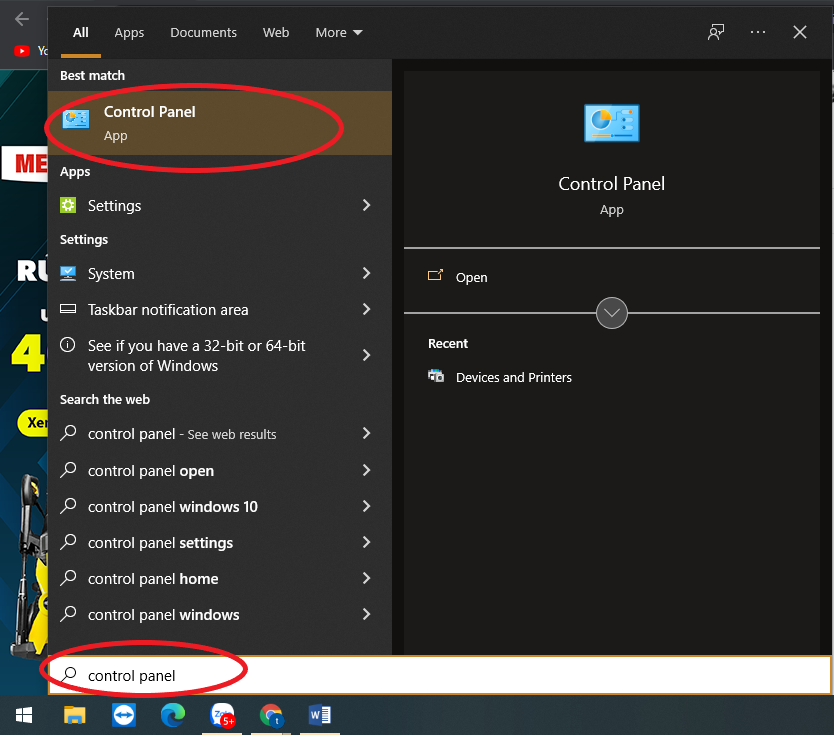
Step 1: Open the Window window and access it Control Panel.
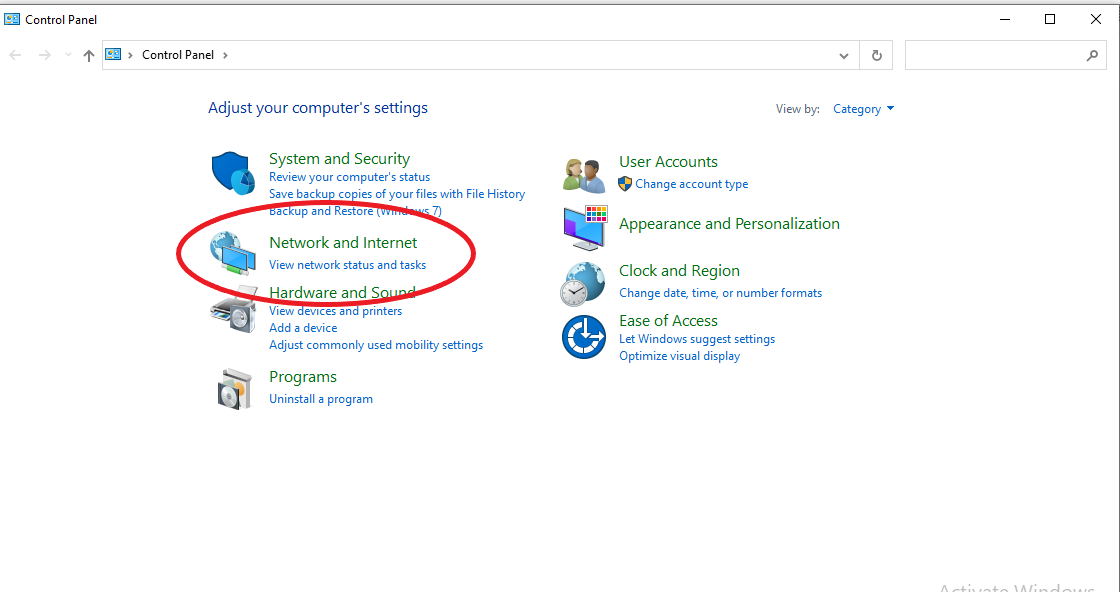
Step 2: In Network and Internet, click select View network status and tasks.
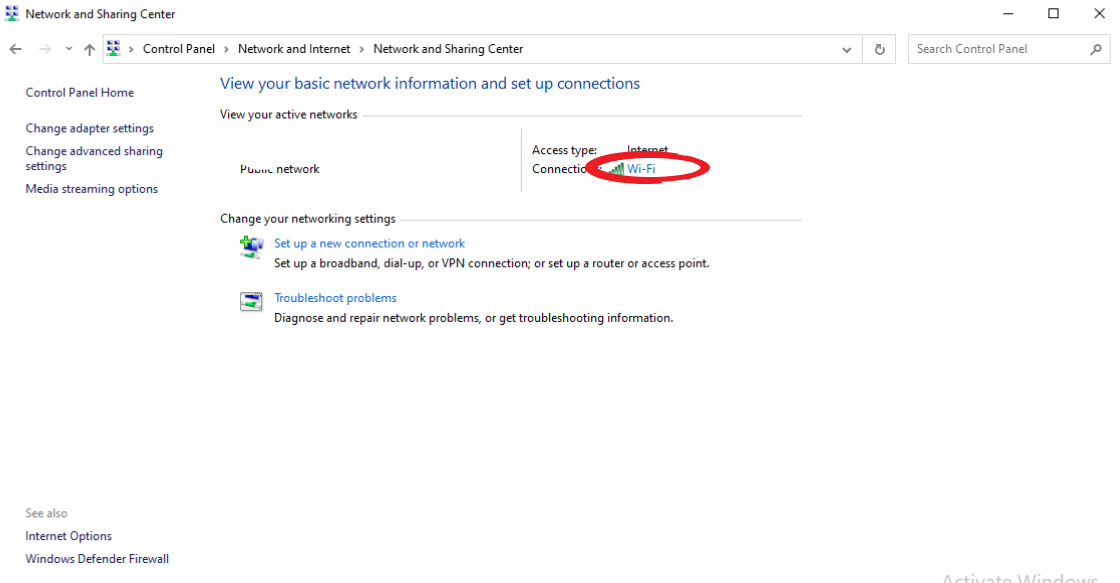
Step 3: At section Change adapter settings, select Wi-Fi and click Properties.
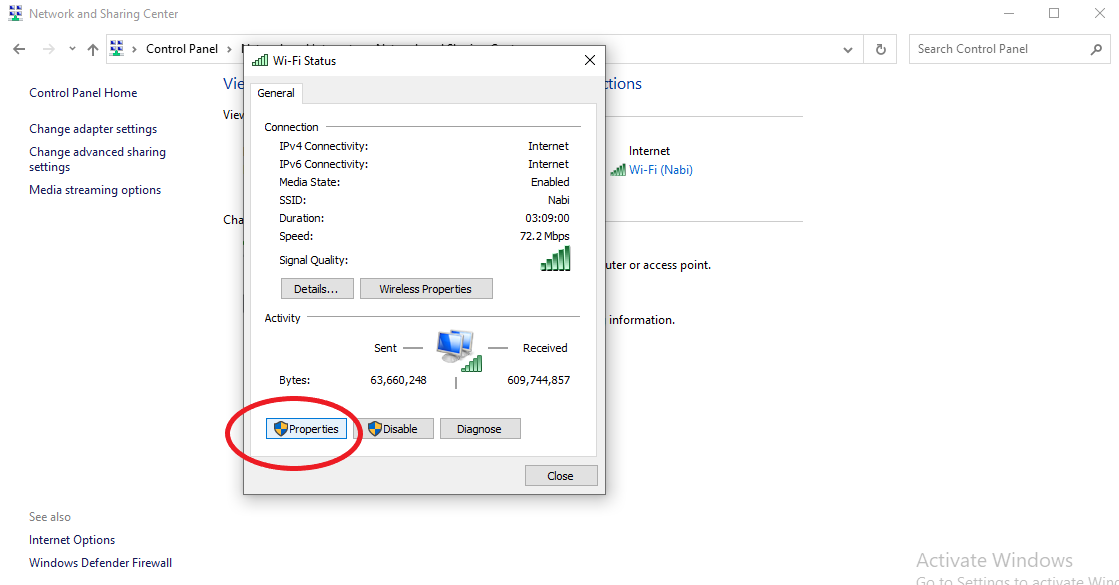
Step 4: Select the cell Internet Protocol Version 4 (TCP/IPv4), then select Use the following DNS server addresses and enter the address 8.8 8.8 and 8.8 4.4.
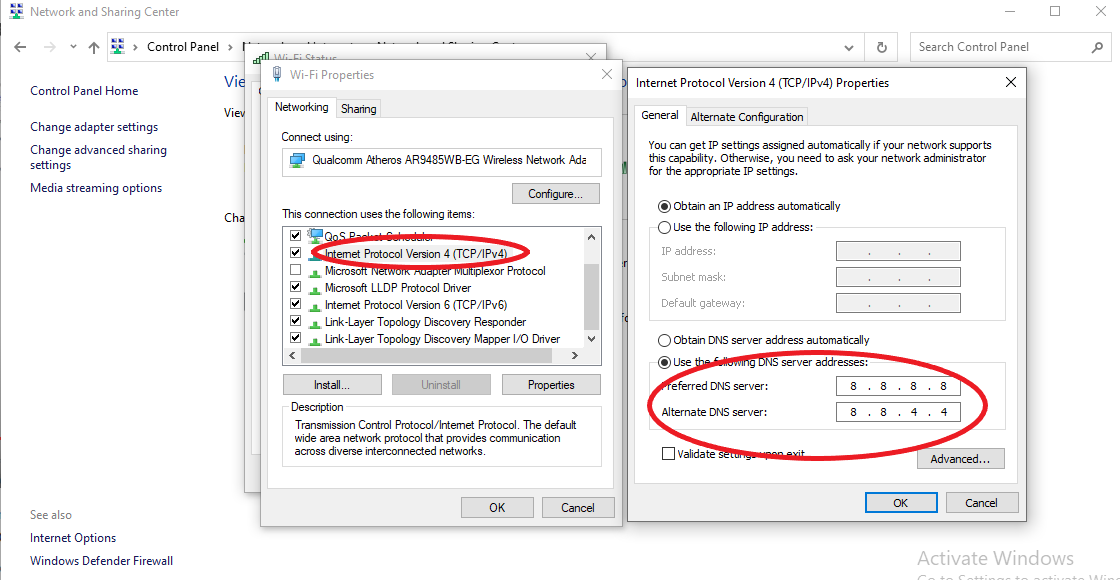
Step 5: Press OK and restart the computer to complete the installation process.
2.2. Change 8.8.8.8 DNS easily for MacOS
For MacOS operating system, the process of changing 8.8.8.8 DNS is not too complicated. Just follow these detailed instructions:
Step 1: From the Apple menu, click System Preferences.
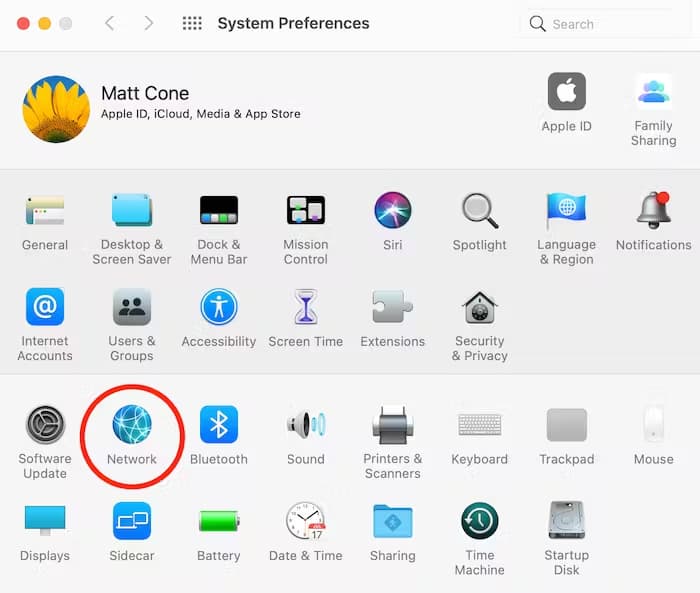
Step 2: Continue clicking Network.
Step 3: From the sidebar, select a network interface. By default, the main interface will be selected. If you have multiple interfaces to connect to the Internet, follow these instructions to update the DNS servers for each interface correctly.
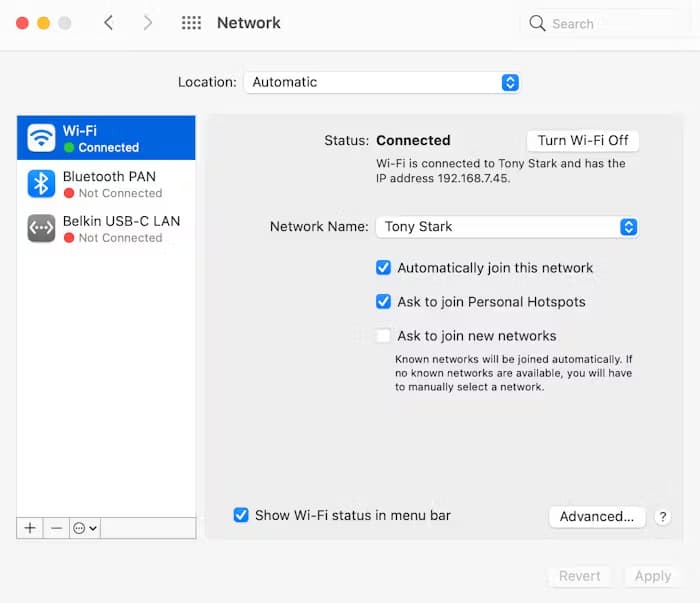
Step 4: Click on the item Advanced.
Step 5: Switch tabs DNS.
Step 6: Click the mark “+” to add a new DNS server.
Step 7: Use the following DNS servers:
-
8.8.8.8
-
8.8.4.4
-
2001:4860:4860::8888
-
2001:4860:4860::8844
Step 8: Press OK, then press Apply and finally restart the computer to update the changes.
3. Change 8.8 8.8 DNS for phone
3.1. Change 8.8.8.8 DNS for Android phone
Besides computers, Android phones are also one of the devices that users seek to exchange 8.8.8.8 DNS. Therefore, to help make the change process easier and more effective, please refer to how to change DNS below:
Step 1: Open the application Settings on your Android device.
Step 2: Select Network & Internet (Network & Internet).
Step 3: Click Advanced.
Step 4: Next, choose Personal DNS.
Step 5: Select options Hostname personal DNS provider and enter dns.google.
Step 6: Finally, press Save to confirm the changes.
3.2. How to change Google public DNS server on iOS
You can also set up DNS Google on iOS devices like iPhone and iPad using these steps:
Step 1: Open Settings and select Wi-Fi.
Step 2: Click the "i" icon next to the Wi-Fi network you want to configure.
Step 3: Scroll down and select Configure DNS > Select Manual.
Step 4: Delete old DNS servers and enter Google's DNS address:
-
DNS 1: 8.8.8.8
-
DNS 2: 8.8.4.4
Step 5: Click Save to save and apply the new settings.
If you want to restore the default DNS server, you just need to select Automatic to have the system automatically adjust the settings.
>>> Check It Out:
- How to change DNS server on Android & iOS ? A step by step guide
- 7 detailed ways to fix the DNS_Probe_Finished_Bad_Config error
- DNS server not responding? 15 Effective ways to fix it
4. How to change Google public DNS server for some other platforms
Changing DNS on other platforms such as PlayStation or Nintendo Switch not only helps improve connection speed but also enhances security during Internet access. The detailed instructions below will help you do this.
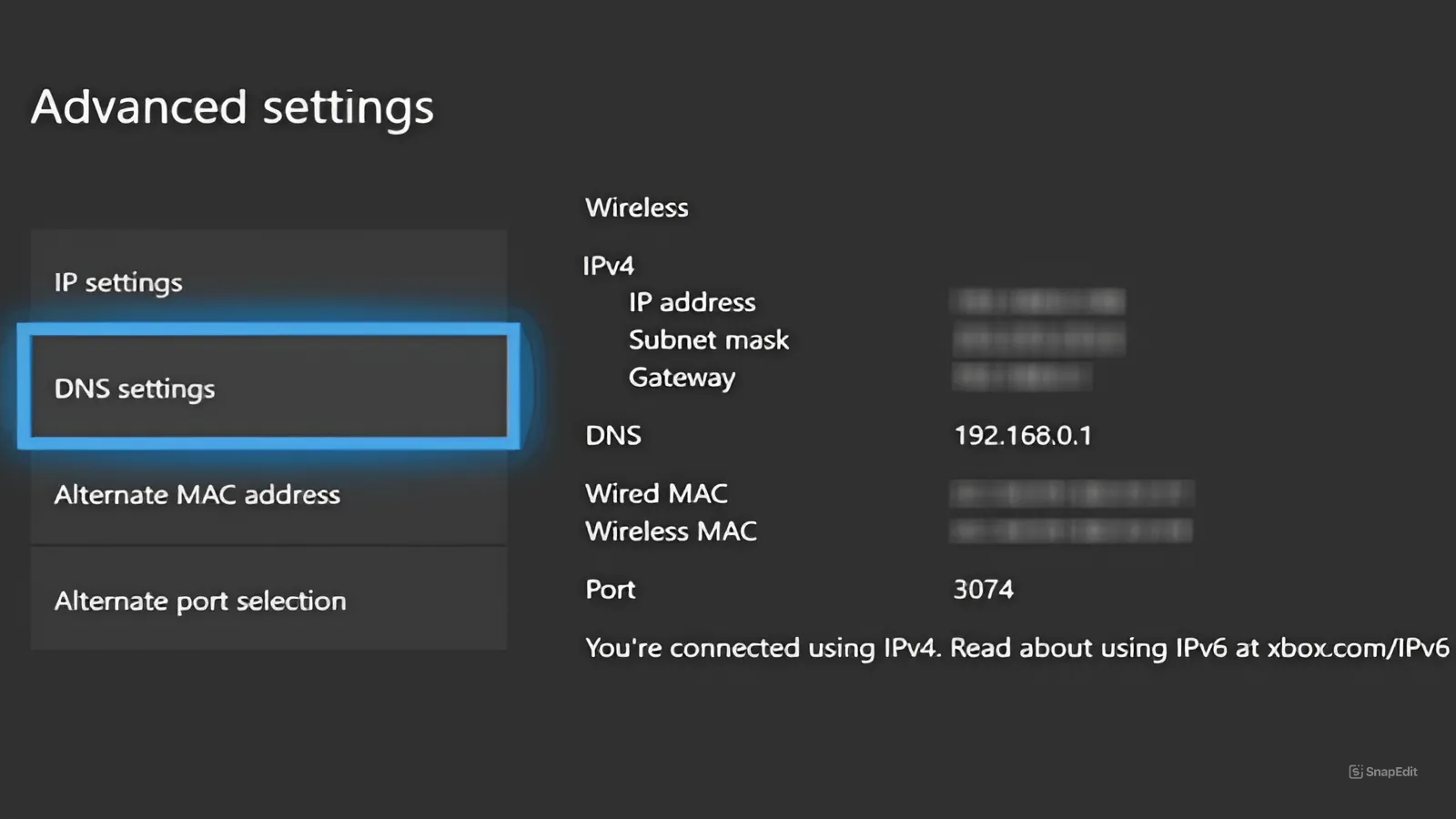
4.1 Change Google DNS on PlayStation platform
To change DNS on PlayStation devices, follow these steps:
Step 1: Access Settings on PlayStation.
Step 2: Select Network.
Step 3: Select Set Up Internet Connection.
Step 4: Depending on the connection method, choose Wifi or LAN (if possible, prioritize using LAN).
Step 5: Select Custom. If you are using Wifi, select the network and enter the password.
Step 6: Ensure the following settings:
-
IP Address Settings (Automatic)
-
DHCP Host Name (Do not use)
-
DNS Settings (Manual)
Step 7: Enter DNS address:
-
Primary DNS: 8.8.8.8
-
Secondary DNS: 8.8.4.4
Step 8: Select Next.
Step 9: Ensure the next settings:
-
MTU Settings (Auto)
-
Proxy Server (Do not use)
Step 10: Select Test Internet Connection to test the connection after changing DNS.
4.2 Change Google public DNS server on Nintendo Switch
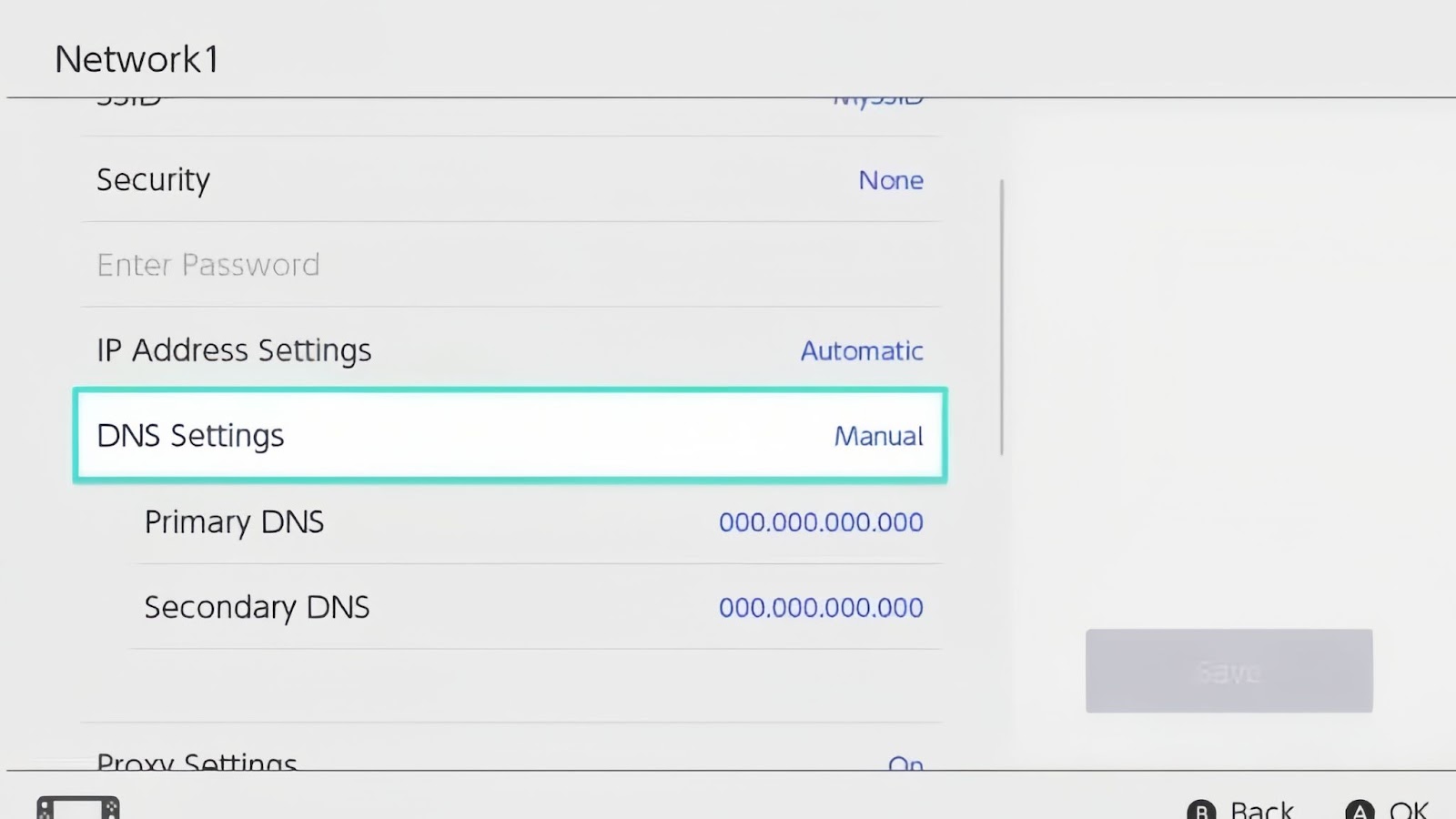
For Nintendo Switch, you can exchange DNS Google follow these steps:
Step 1: From Home Menu, select System Settings.
Step 2: Select Internet Settings.
Step 3: Select Connection Settings.
Step 4: Find and select the connection you are using.
Step 5: Select Change Settings.
Step 6: Find the DNS section and select NO for the Auto-Obtain DNS option.
Step 7: Select Detailed Setup.
Step 8: Enter DNS address:
-
Primary DNS: 8.8.8.8
-
Secondary DNS: 8.8.4.4
Step 9: Click OK twice to return to the settings screen
Step 10: Select Save to save the changes.
Step 11: Select Test to ensure the connection works stably after changing DNS.
5. Google DNS (8.8.8.8) vs Cloudflare DNS (1.1.1.1)
| Feature | Google DNS | Cloudflare DNS |
|---|---|---|
| Primary DNS | 8.8.8.8 | 1.1.1.1 |
| Secondary DNS | 8.8.4.4 | 1.0.0.1 |
| Provider | Cloudflare | |
| Main Focus | Stability and compatibility | Speed and privacy |
| Performance | Reliable global DNS performance | Often lower latency in many regions |
| Privacy Approach | Standard DNS privacy practices | Strong privacy-focused policies |
| Ease of Setup | Easy to configure on most devices | Easy to configure on most devices |
| Best For | General browsing and stable DNS resolution | Faster response times and privacy-conscious users |
| Compatibility | Widely compatible with networks and devices | Widely compatible with networks and devices |
Which DNS is better?
Both Google DNS and Cloudflare DNS are reliable options. The better choice depends on your location, network conditions, and personal preferences. Some users may experience faster browsing with Google DNS, while others may get lower latency using Cloudflare DNS.
You May Also Like:
- Google Public DNS Server: What It Is and How to Configure It for Faster Internet
- Changing DNS Settings in Windows 10: Quick and Easy Steps
- What is DNS? Functions, operating mechanism, and effective usage
6. FAQ
What is Google DNS 8.8.8.8?
Google DNS 8.8.8.8 is a free public DNS service provided by Google to improve DNS speed, stability, and reliability.
Is 8.8.8.8 safe to use?
Yes, Google DNS 8.8.8.8 is generally considered safe and is widely used around the world.
What is the difference between 8.8.8.8 and 8.8.4.4?
Both are Google Public DNS servers, where 8.8.8.8 is typically used as the primary DNS and 8.8.4.4 as the secondary DNS.
Does changing DNS improve internet speed?
Changing DNS can improve website loading speed and DNS response time, but it does not directly increase your internet bandwidth.
Is Google DNS better than ISP DNS?
In many cases, Google DNS can provide faster and more reliable DNS resolution than default ISP DNS servers.
Can changing DNS reduce ping?
Changing DNS may slightly improve connection response time in some cases, but it usually has little effect on gaming ping.
Does Google DNS hide your IP address?
No, changing your DNS server does not hide your IP address or provide anonymity online.
Which is faster: Google DNS or Cloudflare DNS?
The faster DNS service depends on your location and network environment. Some users experience lower latency with Cloudflare DNS, while others get better stability with Google DNS.
Can I use Google DNS on mobile devices?
Yes, you can configure Google DNS on Android, iPhone, tablets, and other mobile devices.
Do I need technical knowledge to change DNS settings?
No, changing DNS settings is usually simple and can be done through your device’s network settings in just a few steps.