Many people search for how to make money on linkedin, post regularly, gain views and reactions, yet still struggle to turn that activity into real, measurable income.
LinkedIn does not pay users for views or followers, so chasing engagement without a clear strategy often leads to wasted time instead of paid work or real opportunities.
If you want a clearer and more realistic approach to how to make money on linkedin, let’s explore it together with Hidemyacc in the article below.
1. Does LinkedIn pay real money?
When people ask how to make money on LinkedIn, they often assume the platform pays creators for views or followers. In reality, LinkedIn does not pay users directly for content performance.
There is no creator fund, no revenue-sharing model, and no payment based on impressions. Any money earned through LinkedIn comes from outside the platform, not from LinkedIn itself.
So how does money actually work? LinkedIn functions as a professional network where visibility creates conversations, and conversations create opportunities. Those opportunities may turn into freelance work, job offers, consulting contracts, or partnerships.
This is also why views alone do not guarantee income. A post can reach thousands of people and still generate nothing if it attracts the wrong audience or has no clear purpose.
To understand how to make money on LinkedIn, it helps to see the platform as a connector, not a payer. LinkedIn helps people find you. What happens after that determines whether money is made or not.
2. Do you need followers to make money on LinkedIn?
When people first search for how to make money on LinkedIn, follower count is often the biggest mental block. Many assume that without thousands of followers, earning anything on the platform is unrealistic. This belief is common, but it’s misleading.
On LinkedIn, money is not tied to how many people follow you. It’s tied to whether the right people understand what you do and why it matters to them.
2.1. You don’t need a large audience to get paid
You can make money on LinkedIn with a relatively small following. What matters is not reach, but relevance. Because LinkedIn is a professional network, even limited exposure can lead to paid outcomes.
In simple terms, paid opportunities often start this way:
- Someone sees a post that speaks to their problem
- They visit your profile to learn more
- They decide whether you are worth messaging
That sequence does not require virality. It requires clarity. If the message makes sense to the right person, follower count becomes almost invisible.
This is why many freelancers and consultants land work with only a few hundred connections. Their audience may be small, but it’s focused and intentional.
2.2. What matters more than follower count
When someone opens your profile, they are not checking numbers. They are asking themselves a few quiet questions:
- Do I understand what this person does?
- Do they work with people like me?
- Do they sound credible enough to talk to?
If those answers are clear, followers stop being a deciding factor. If they are not, even a large audience won’t help.
So when learning how to make money on LinkedIn, it’s better to stop chasing growth too early. Followers can support visibility later, but earning starts with being clear, specific, and easy to understand.
>>> Learn about:
- How much is LinkedIn premium? Unlock the full price & perks now
- How to get followers on LinkedIn: the complete guide for newbies
- What to do when your LinkedIn Account is Restricted?
3. How to make money on LinkedIn (7 proven ways)
There isn’t a single correct answer to how to make money on LinkedIn. Different people earn money in different ways, depending on their background, skills, and goals. Instead of chasing formulas, it helps to understand the main paths people actually use on the platform.
The sections below explain those paths in plain terms, so you can see which ones fit your situation.
3.1. Freelancing and client services
This is one of the fastest and most common ways to make money on LinkedIn. If you already have a skill you can sell, LinkedIn works well as a lead source.
Common examples include writing, design, marketing, development, sales support, data work, and operations. People don’t hire freelancers because of follower counts. They hire because they understand what problem you solve.
To make this work, your profile and content should clearly answer one question: What can you do for someone like me? When that’s obvious, conversations tend to start naturally through comments or private messages.
3.2. Consulting and expertise-based work
Consulting is similar to freelancing, but instead of selling execution, you sell judgment and experience. This works especially well for people with industry background, leadership experience, or niche knowledge.
You don’t need to call yourself a consultant right away. Many people start by sharing insights, lessons learned, or mistakes they’ve seen repeatedly. Over time, readers begin to associate you with a specific problem space.
Money comes later through strategy calls, advisory roles, or short-term engagements. On LinkedIn, consulting often grows quietly, without public selling.
3.3. Getting hired or contracting through visibility
One of the most overlooked answers to how to make money on LinkedIn is simply getting paid work through better visibility. LinkedIn is still a hiring platform at its core.
Posting thoughtful content can:
- Attract recruiters
- Surface contract opportunities
- Lead to referrals from people in your network
You don’t need to announce that you’re “open to work” publicly. Many offers come from people who see how you think, not from job applications.
For beginners, this path is often more realistic than trying to sell products or services right away.
3.4. Selling services through conversations, not posts
Many people fail because they try to sell directly in public posts. LinkedIn works better when content builds trust and sales happen privately.
A typical flow looks simple:
- You post something useful or relatable
- Someone comments or reacts
- A conversation starts in messages
- A service is discussed naturally
This approach feels less aggressive and aligns better with LinkedIn culture. It also works with smaller audiences, because depth matters more than scale.
3.5. Affiliate and referral income
Affiliate marketing exists on LinkedIn, but it works differently than on platforms like blogs or YouTube. Direct links and hard promotions tend to perform poorly.
What does work is recommending tools, platforms, or services as part of real experience. When people trust your judgment, they ask what you use or recommend.
Affiliate income on LinkedIn is usually slow at first. It grows alongside credibility, not traffic. For beginners, this works best as a secondary stream, not the main focus.
3.6. Selling digital products or knowledge
Some people use LinkedIn to sell ebooks, templates, workshops, or courses. This path requires more setup and clearer positioning, but it can scale well over time.
The biggest mistake here is selling too early. Without trust, digital products feel risky to buyers. Most successful creators build an audience around a specific problem before offering anything paid.
If you’re exploring how to make money on LinkedIn long-term, this path makes sense after you’ve proven your ideas through content and conversations.
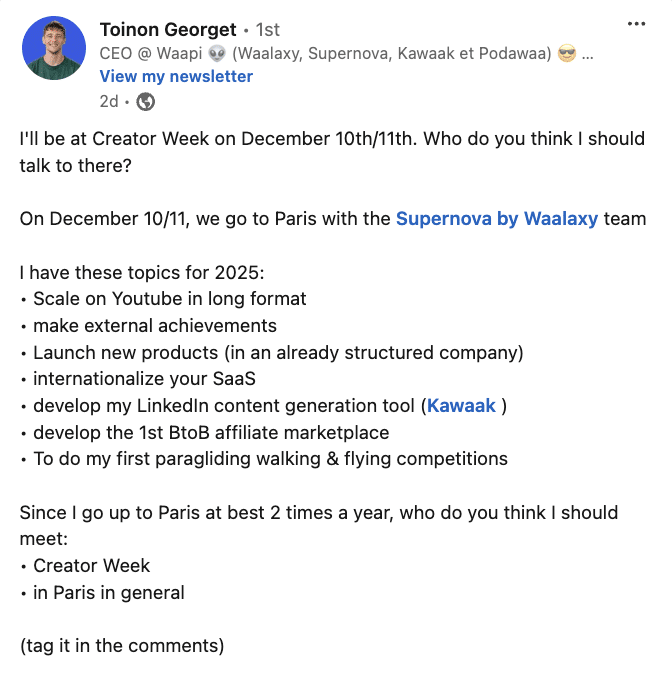
3.7. Recruiting, referrals, and introductions
LinkedIn is built around professional networks, which makes it ideal for referrals. Some users earn money by connecting candidates with companies, or businesses with the right partners.
This doesn’t require posting every day. It requires knowing who is looking for what, and being reliable when you make introductions.
For people with strong networks or industry access, this can be one of the most efficient ways to earn on LinkedIn.
>>> About Linkedin:
- LinkedIn Scraping Secrets: What works and what doesn’t
- Trouble verifying LinkedIn account: How to solve it?
- What to do when your LinkedIn Account is Restricted?
4. What kind of LinkedIn content actually makes money?
When people think about how to make money on LinkedIn, they often focus on posting more. In reality, posting more only helps if the content is doing the right job. On LinkedIn, content doesn’t make money by itself. It creates context for the right people to understand who you are and why they should care.
The content that leads to income usually has one thing in common: it makes your value obvious without trying to sell.
4.1. Content that shows how you think, not just what you know
Posts that perform best for monetization are not tutorials or motivational quotes. They are posts that reveal how you approach problems. This could be how you make decisions, how you handle mistakes, or how you see patterns others miss.
When someone reads this type of content, they’re not thinking “this is useful”. They’re thinking “this person understands my situation.” That’s what triggers profile visits and messages.
This works especially well for freelancers, consultants, and job seekers, because people don’t hire skills alone. They hire judgment.
4.2. Content that speaks to a specific problem
Vague content attracts vague attention. Content that focuses on a specific problem attracts people who actually care.
This doesn’t mean being technical or complex. It means being precise. Writing about “marketing” is broad. Writing about “why inbound leads dry up after month three” is specific. The second one tells the right reader that the post is for them.
When learning how to make money on LinkedIn, specificity matters more than polish. Clear beats clever every time.
4.3. Content that reflects real experience
People trust content that sounds lived-in. Posts based on real situations, past work, or personal lessons tend to outperform generic advice, even if they’re less polished.
This could be:
- A mistake you made and what it cost you
- A pattern you’ve noticed across multiple projects
- A small insight from daily work that others overlook
You don’t need dramatic stories. Simple, honest observations are often enough to build credibility.
4.4. Content that opens conversations, not debates
Money on LinkedIn usually comes from private conversations, not public arguments. Content that invites agreement, recognition, or quiet reflection tends to work better than content designed to provoke.
If someone finishes your post and thinks “that’s exactly what I’m dealing with”, they’re more likely to reach out. That’s the signal you want.
This is also why overly controversial or viral-style posts rarely lead to paid work. They create noise, not trust.
4.5. Content that matches your earning goal
Not all content should aim to make money immediately, but it should point in the same direction.
Before posting, it helps to ask:
- If the right person reads this, will they understand what I do?
- Does this reinforce the kind of work I want?
- Would I be comfortable discussing this topic in a paid context?
If the answer is yes, the content is doing its job.
When thinking about how to make money on LinkedIn, the goal isn’t to post like a creator. It’s to post like someone worth talking to.
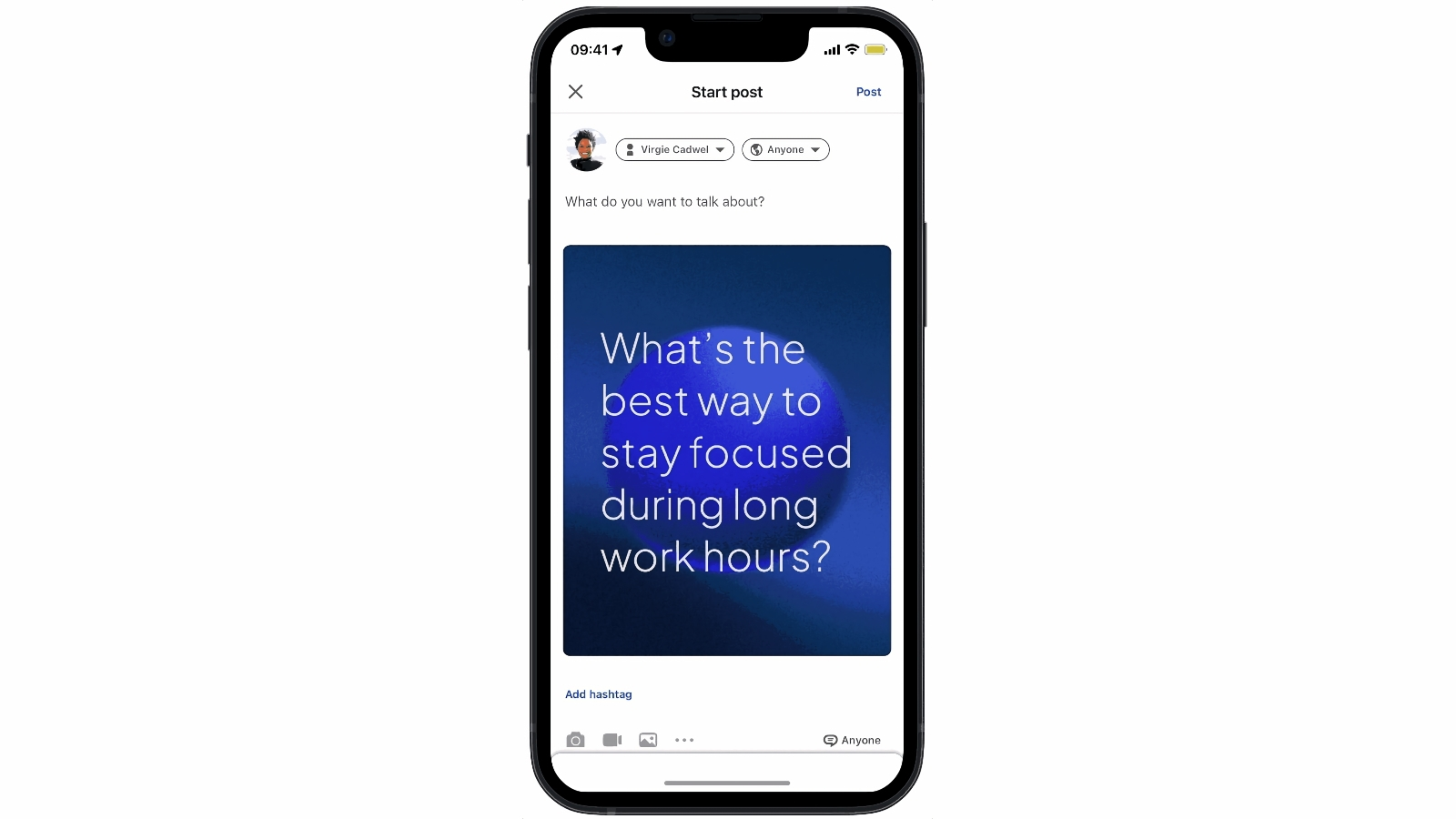
5. LinkedIn rules you should know (4-1-1 and 95-5)
When learning how to make money on LinkedIn, rules and frameworks can be helpful, but only if you understand why they exist. The 4-1-1 rule and the 95-5 rule are not formulas to follow blindly. They’re reminders about how people behave on the platform.
5.1. The 4-1-1 rule: why selling too often backfires
The 4-1-1 rule is simple: for every six pieces of content, four should give value, one can be personal or reflective, and one can be promotional. The idea isn’t to limit you, it’s to protect trust.
On LinkedIn, people scroll with professional intent. If every post pushes an offer, readers stop paying attention. Value-first content keeps you visible without making your audience defensive. The occasional promotional post then feels earned, not intrusive.
Used well, the 4-1-1 rule helps your content support earning instead of blocking it.
5.2. The 95-5 rule: understanding buying timing
The 95-5 rule reflects a simple truth: most people are not ready to buy right now. Roughly 95% are observing, while a small percentage are actively looking.
This matters because monetization on LinkedIn is often delayed. Content you post today may not lead to a message until weeks later, when someone’s situation changes. If your content has been consistent and clear, you’re remembered at the right moment.
That’s why education, clarity, and steady presence matter more than hard selling.
5.3. How these rules help you earn
Both rules point to the same principle: earning on LinkedIn comes from trust built over time. Content creates familiarity. Familiarity creates conversations. Conversations create opportunities.
If you keep that sequence in mind, the rules stop feeling restrictive and start feeling practical. They help your posts work with LinkedIn behavior, not against it.
When thinking about how to make money on LinkedIn, use these rules as guardrails, not goals. The goal is still the same, be clear, be useful, and be worth contacting.
6. Are views, impressions or followers more important?
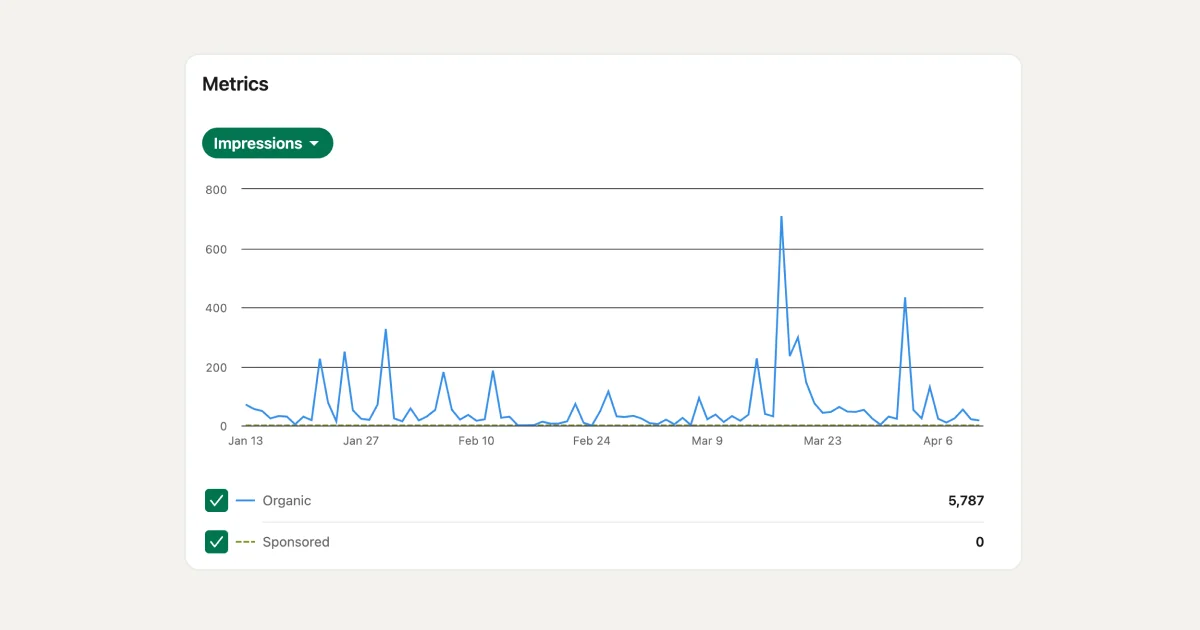
When learning how to make money on LinkedIn, many people focus on numbers because they are easy to see. Views, impressions, and followers can be useful signals, but they are often misunderstood.
Impressions and views only show that your content is being seen. They do not tell you whether it’s attracting the right people or leading to paid opportunities. A post can perform well algorithmically and still produce no real outcome.
Followers work the same way. A larger following can increase visibility, but it doesn’t guarantee income. Many people with smaller, focused audiences earn more than those with broad reach and unclear positioning.
If your goal is earning, the more meaningful signals are profile visits, thoughtful comments, and private messages. These indicate interest, not just attention.
For how to make money on LinkedIn, numbers should be used as feedback, not as success metrics. What matters is whether the right people recognize what you do.
7. How long does it take to make money on LinkedIn?
This is one of the most common questions around how to make money on LinkedIn, and it’s also where expectations often go wrong. The honest answer is that the timeline depends on what you’re trying to earn and where you’re starting from.
For people offering services, freelancing, or contract work, results can appear relatively early. Once the profile and message are clear, some begin seeing conversations within a few weeks, especially if their experience already matches a real need.
For others, such as those building authority, consulting, or digital products, the process takes longer. It often requires a few months of consistent posting and interaction before people recognize your name and reach out.
What slows most people down is not the algorithm, but uncertainty. This usually shows up as:
- Posting without a clear direction
- Changing focus too often
- Expecting fast income from visibility alone
These patterns make it harder for others to understand what you offer, which delays trust and opportunity.
When thinking about how to make money on LinkedIn, it helps to see the platform as a long-term channel. Clear positioning shortens the timeline. Vague messaging stretches it.
Earning on LinkedIn is rarely instant, but it becomes predictable when clarity and patience are in place.
8. Common mistakes that stop people from earning on LinkedIn
Most people struggling with how to make money on LinkedIn don’t fail because of a lack of skill. They get stuck because of a few common mistakes that quietly block opportunities.
- Using LinkedIn like a generic content platform: Posting for engagement without linking content to real work leaves readers unsure why they should reach out.
- Not being clear about what you offer: If visitors can’t quickly understand what you do, interest fades before a conversation starts.
- Selling too early or too publicly: Pushing offers before trust exists often turns people away. Sales work better after familiarity, and usually in private.
- Changing focus too often: Constantly switching topics makes it hard for others to associate you with anything specific.
- Chasing likes instead of signals: Views and reactions feel good, but messages and profile visits matter more.
- Expecting results too fast: LinkedIn rewards consistency over time. Many people stop just before momentum builds.
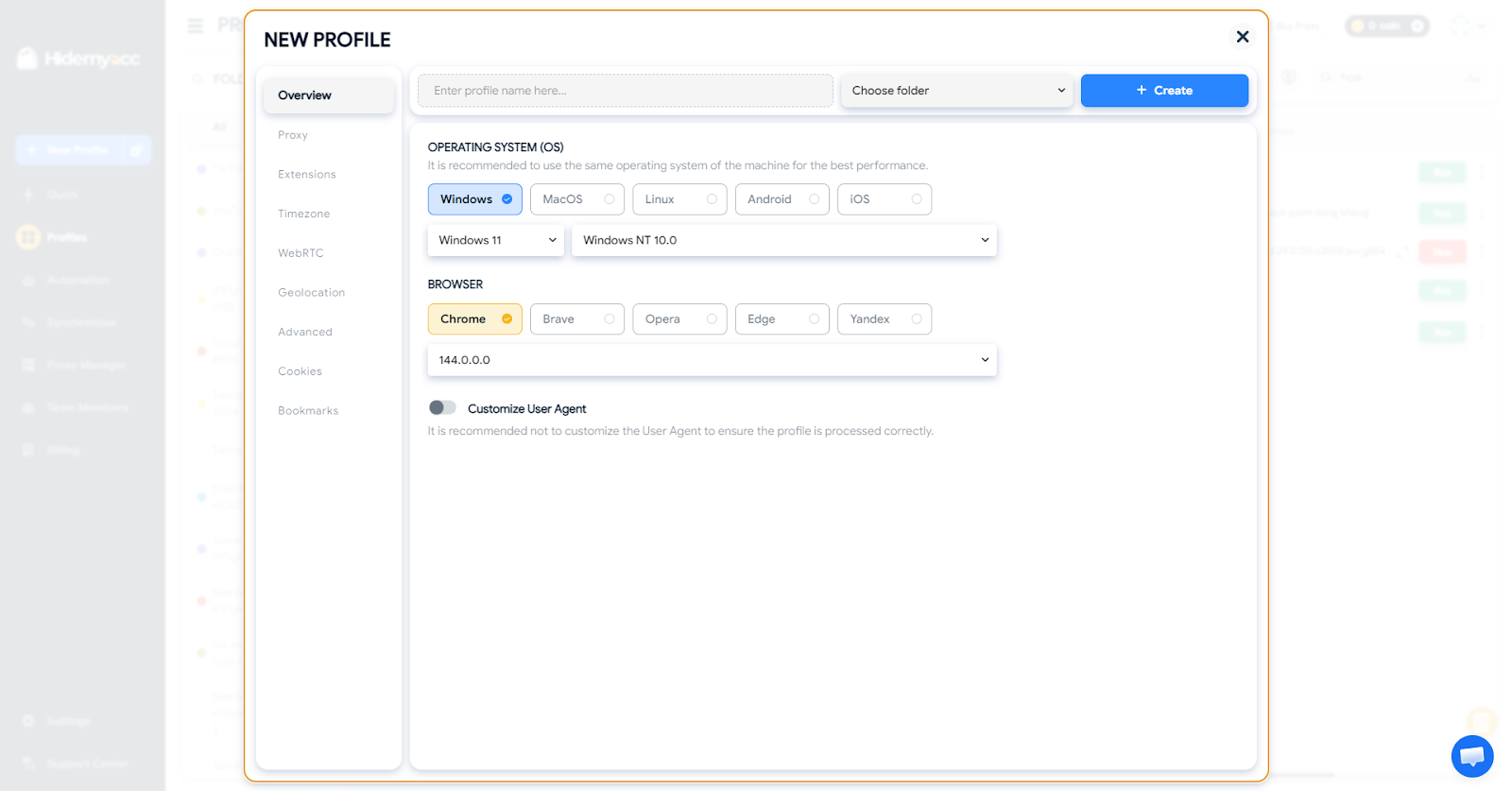
Another common mistake appears among people who manage multiple LinkedIn accounts for freelancing, recruiting, affiliate work, or agency operations, but log into those accounts using the same device, browser, or environment. This increases the risk of account restrictions, feature limitations, or suspensions, which can immediately disrupt any monetization effort.
In these situations, separating each account into isolated browser environments becomes important. Antidetct browsers like Hidemyacc are designed to isolate browser fingerprints and sessions, helping users manage multiple LinkedIn accounts more safely and reduce the risk of unwanted cross-account linking.
Avoiding these mistakes won’t guarantee income, but it removes many of the barriers that prevent effort from turning into real opportunities.
Read about multiple accounts:
- How to manage multiple social media accounts without getting banned
- How to manage multiple LinkedIn accounts without getting banned
9. Conclusion
Understanding how to make money on LinkedIn is not about chasing views or growth tricks. LinkedIn doesn’t pay for attention, it rewards clarity, relevance, and trust built through consistent professional use.
Income comes from being clear about what you do, who you help, and allowing conversations to develop naturally over time. For people managing multiple LinkedIn accounts as part of their work, keeping those accounts separated and safe with an antidetect browser Hidemyacc also helps protect long-term earning efforts.
When used with intention, LinkedIn becomes a practical channel for real opportunities, not just another place to post content.
10. FAQ
1. How many followers do I need to get paid on LinkedIn?
You don’t need a specific number. Many people earn with a few hundred relevant connections if the right audience understands what they do.
2. How can I monetize my LinkedIn account?
By attracting clients, job offers, consulting work, referrals, or affiliate opportunities through content and conversations.
3. Does LinkedIn pay you for views?
No. LinkedIn does not pay for views, impressions, or followers.
4. How do I get paid from LinkedIn?
Payments come from clients, employers, or partners you connect with on LinkedIn, not from LinkedIn itself.
5. Is 5000 views on LinkedIn good?
It can be, but only if those views lead to profile visits, conversations, or opportunities.
6. Are impressions better than views on LinkedIn?
Neither guarantees income. They only show visibility, not earning potential.
7. What LinkedIn posts get the most views?
Posts that are specific, relatable, and based on real experience tend to perform best.
8. How long does it take to make money on LinkedIn?
It varies. Some see results in weeks, others take months, depending on clarity, experience, and consistency.