When implementing search engine optimization, checking website positioning at scale often encounters the risk of search engines blocking access or requesting constant verifications. To solve this issue, keyword rank tracking proxies serve as the perfect intermediary solution to keep you anonymous and gather data in the safest, most objective manner. Let's explore the operational mechanisms, classification, and implementation steps for this system effectively while avoiding costly mistakes right in the article below.
1. What is a keyword rank tracking proxy?
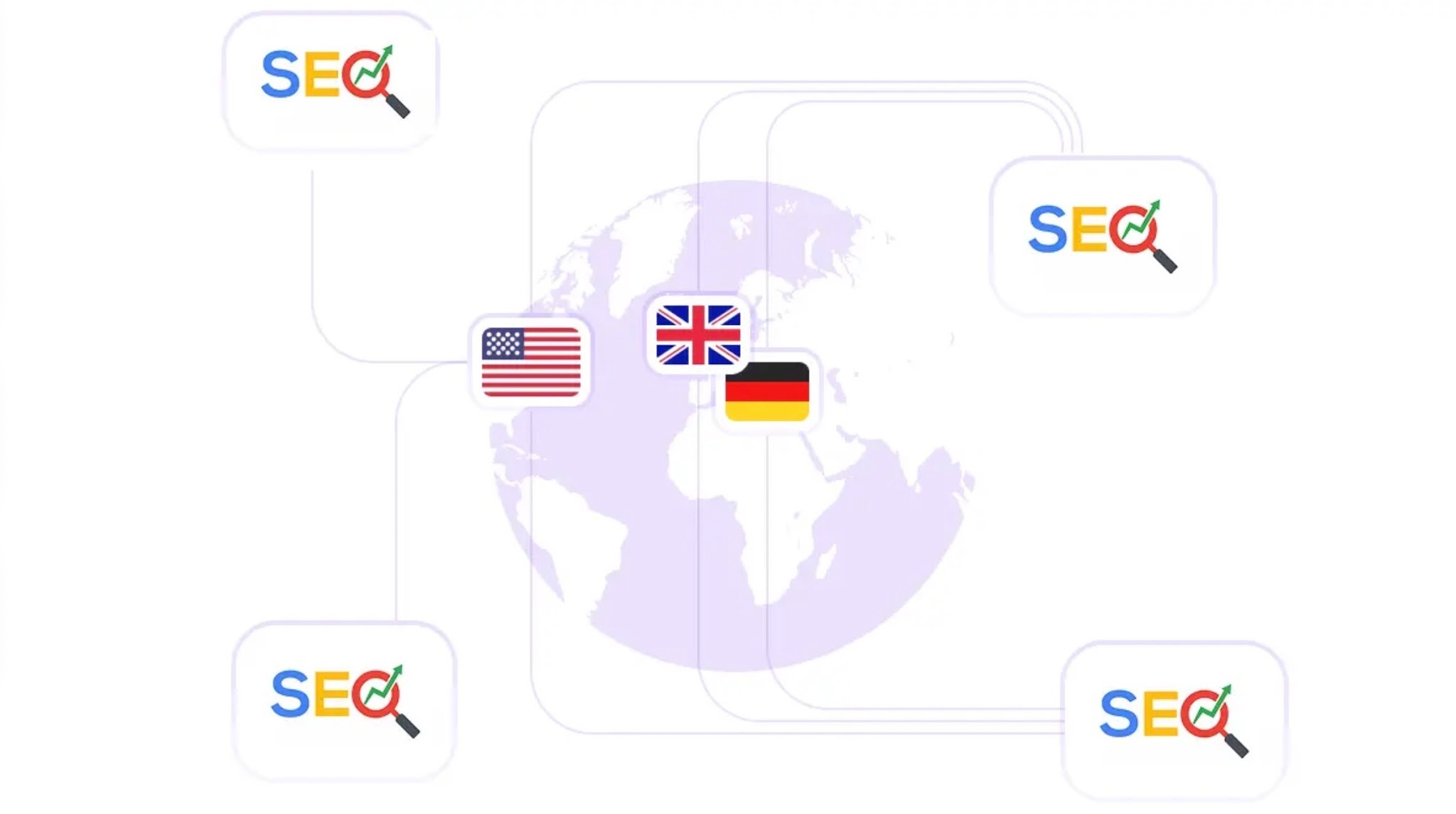
Simply put, a keyword rank tracking proxy is a system of intermediary servers positioned between your rank-checking tool or computer and search engines. This system plays a core role in helping users change IP addresses continuously for each keyword data query request.
How it works:
This intermediary system operates through specific steps to protect your identity and support your workflow as follows:
- Masks the real IP address of the user or system.
- Routes keyword check requests through a series of different IPs (usually rotating proxies).
- Helps send a large volume of concurrent queries without being detected by search engine automated tracking filters.
Thanks to this smart operational mechanism, users can collect bulk ranking data continuously while ensuring absolute safety for their accounts and computer systems.
Distinction from VPN:
Many people often confuse these two tools, but you can distinguish them through the distinct characteristics below:
- VPN: Encrypts all network traffic on the device, changing the IP for the entire computer but operates at slower speeds, making it unoptimized for running large-scale data scraping tools.
- Proxy: Only changes the IP for the specifically configured application or tool, offers faster response times, supports multi-threading, and accommodates automatic IP rotation.
If you need device security when accessing the internet normally, a virtual private network is a suitable choice, but to serve specialized keyword checks and wide-scale SEO campaigns, a proxy is the most optimal and resource-saving solution.
To learn more, read further: Proxy vs VPN: What's the Difference? A Detailed Comparison
2. Why do you need to use proxies for keyword rank tracking?
Checking the display position of a website is a process that demands high accuracy and frequently handles enormous datasets. Below are the vital reasons explaining why users need to integrate a keyword rank tracking proxy into their SEO campaigns:
- Overcoming Google's search result personalization barriers: Search engines often rely on your browsing history, cached files, and current location to prioritize search results. Using an intermediary IP system completely eliminates this personalization factor, thereby returning the most objective and realistic rankings for you.
- Tracking precise rankings based on geographic location: This feature is especially useful in helping users check exact keyword positions within a specific country, state, or city. For instance, you can easily sit in Vietnam but use a network location in the US to verify live data directly in the US market.
- Avoiding blocks when gathering bulk data: Specialized SEO software usually has to send thousands of query requests within a very short timeframe. Without using a keyword rank tracking proxy to create an intermediary protective layer, your real network address will be automatically scanned and blocked instantly with image verifications or access denied errors.
- Tracking competitor rankings completely anonymously: Users can freely check data and website positioning of competitors at a high frequency without worrying about their server systems detecting or blocking the access address.
Applying this IP-changing system not only secures your information during work but also ensures that the collected data always achieves the highest accuracy, allowing you to adjust and optimize strategies effectively.

3. Popular proxy types for SEO and how to choose them
When searching for a suitable keyword rank tracking proxy, you will find many different types on the market. Below is a detailed classification to help you easily compare and make the most optimal choice for your SEO project.
3.1. Classification based on IP origin
Based on where the IP address is provided, we can divide this system into three main groups with their own distinct characteristics as follows:
3.1.1. Residential Proxy
Residential proxies are IP addresses assigned by Internet Service Providers (ISPs) to actual physical devices in residential homes, such as personal computers or routers.
Advantages: Extremely high trust scores because search engine tracking algorithms evaluate them as real users browsing the web. Block rates are exceptionally low, and they support diverse geographic locations, making them particularly useful for local SEO campaigns.
Disadvantages: Higher costs and are usually billed based on the amount of network data bandwidth consumed. Connection speeds can sometimes be unstable because they depend entirely on the network line of that specific personal device.
When to use: This solution is ideal for large projects needing continuous ranking data collection or when working in markets with strict security defense systems.
Recommended option: For users looking for a cost-effective residential proxy solution for large-scale data collection, NiuProxy offers rotating residential proxies with flexible IP rotation and global location coverage. Its high-volume residential proxy plan is priced at $0.35/GB for 10TB, making it a competitive option for large-scale scraping, SEO monitoring, automation, and AI data collection projects.
3.1.2. Datacenter Proxy
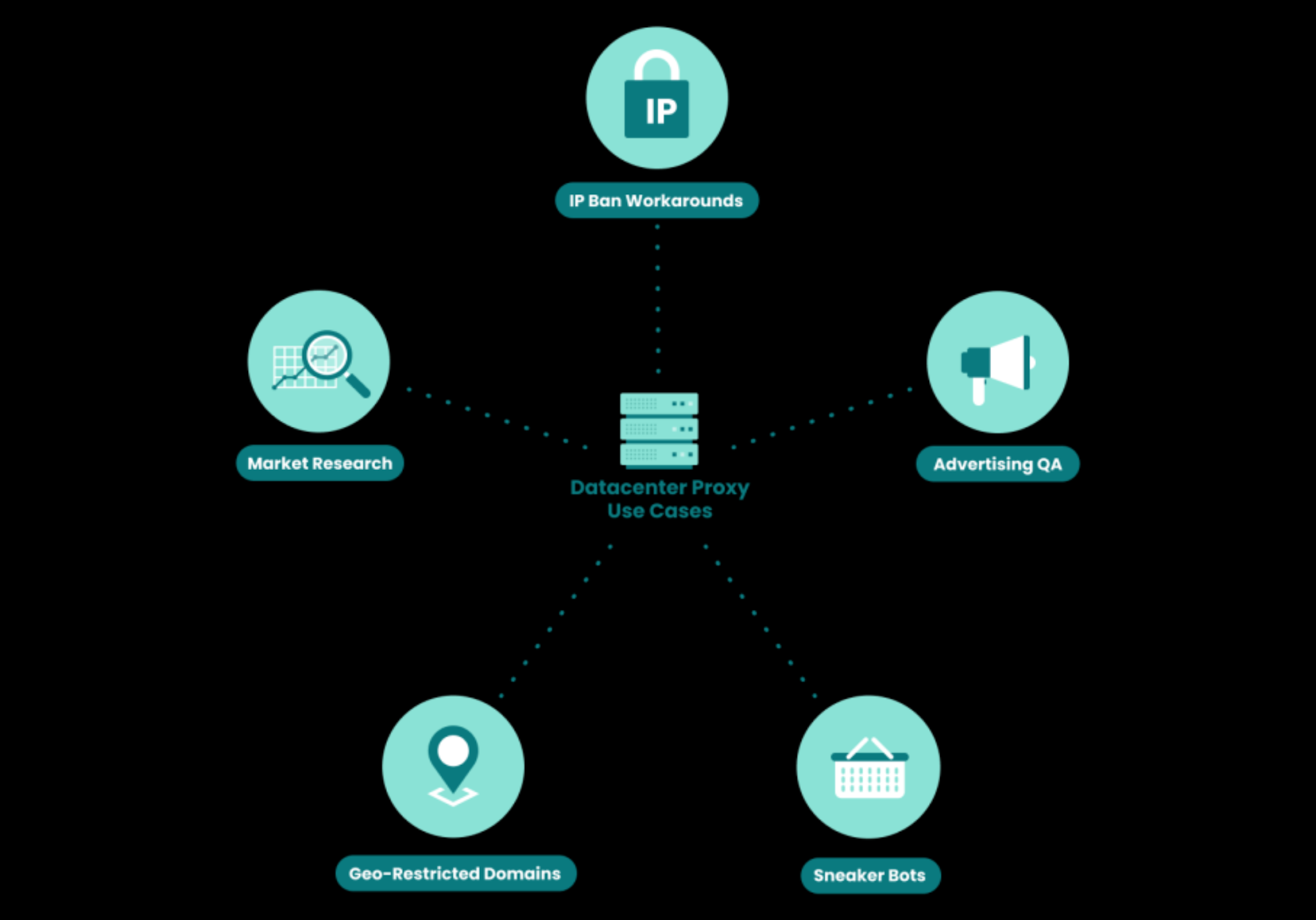
Datacenter proxies are artificial addresses created and managed by high-configuration cloud servers, completely unrelated to residential user network lines.
Advantages: Extremely fast processing speeds, wide bandwidth, and low response times, allowing checking software to run very smoothly. Low investment costs and are typically sold in fixed-quantity packages.
Disadvantages: These IP blocks are highly prone to being identified as automated bot behavior by security systems. If you send too many concurrent queries, the entire IP range can be blacklisted instantly. This leads to users frequently encountering 403 access errors or being prompted for CAPTCHAs if the system does not rotate IPs well.
When to use: Suitable for beginners with a tight budget, manual rank checking, or software that supports an excellent IP rotation mechanism to compensate for the vulnerability to blocks.
3.1.3. Mobile Proxy
Mobile proxies are IP addresses assigned by mobile network operators through smartphones or cellular routers utilizing physical SIM cards.
Advantages: Provide absolute anonymity because a single mobile IP address is often shared among thousands of real users. Search engines are very hesitant to block these addresses to avoid affecting legitimate users.
Disadvantages: The most expensive maintenance cost among all types. Speed and stability heavily depend on the cellular signal quality in the area where the broadcasting device is located.
When to use: This solution works best when you need to prioritize checking ranks on mobile interfaces or handle competitor websites backed by tightly secured firewall infrastructure.
Understanding the origin of each IP type will help users identify the correct intermediary network needed, avoiding budget waste on systems that do not fit the project's data collection targets.
3.2. Classification based on operation mechanism
Besides origin, the way IP addresses change during work is also an important factor you need to master. This group includes two basic types below:
3.2.1. Static Proxy
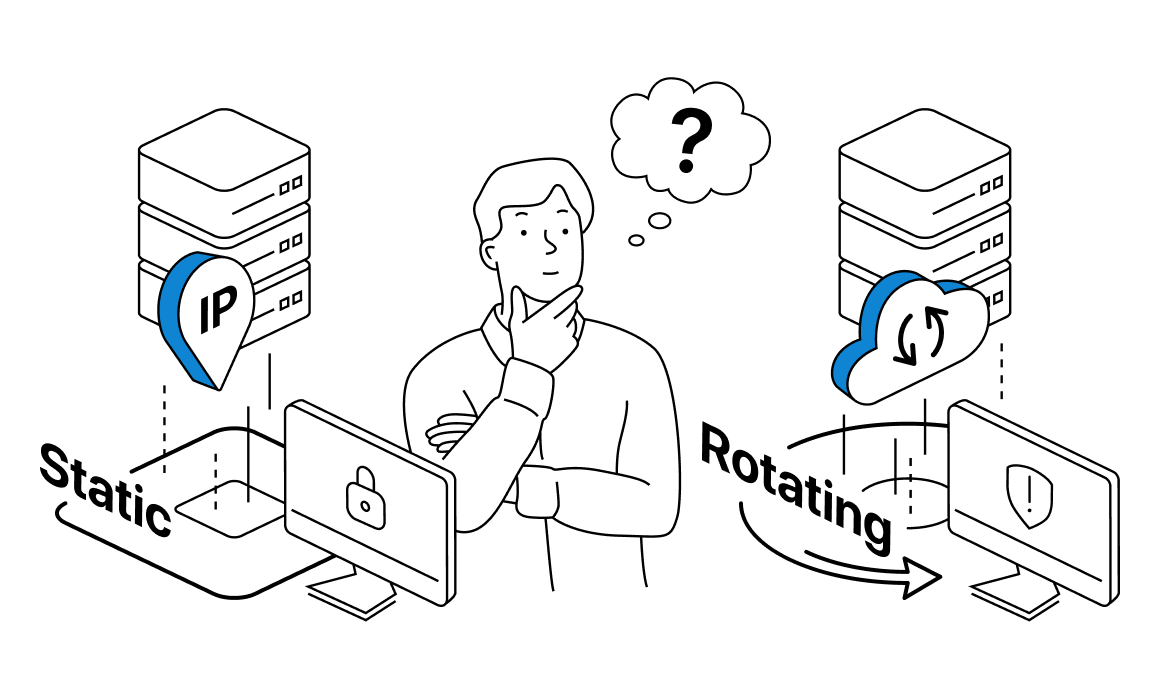
This is a proxy type that maintains a single unique IP address throughout your entire connection and usage. It operates much like a fixed internet line at your house.
Advantages: Delivers high stability, maintaining continuous connections without interruptions. A consistent activity history helps build high trust with evaluating platforms.Disadvantages: High risk of access blocks if abused to send hundreds of keyword verification requests simultaneously. Search engines will recognize this as abnormal behavior and prompt for verification images.
When to use: Ideal when you only need to manually check a small group of keywords, manage websites, or use it to nurture accounts managing SEO tools safely without triggering security alerts.
3.2.2. Rotating Proxy
This is an intelligent proxy system capable of automatically changing to a new IP address continuously. This IP-changing process can take place after each search query you send (per request) or after a fixed interval (e.g., every 3 minutes, 5 minutes).
Advantages: Superior access history dispersion capability, helping bypass Google's automated prevention barriers. This tool provides massive data scraping performance, allowing thousands of keywords to be checked simultaneously without worrying about disruptions.
Disadvantages: Download speeds can sometimes fluctuate or drop connection momentarily because the system must continuously switch back and forth between servers. Additionally, you need the skills to set up the connection between the SEO software and the IP rotation system.
When to use: This is a must-have tool when you manage large-scale SEO projects that require automated software to collect and track the positioning of thousands of keywords daily.
In general, depending on whether you need stability to maintain accounts or continuous anonymity to scrape huge data chunks, picking the right operational mechanism decides the success rate of the campaign.
Quick Comparison Table of Proxy Types:
| Proxy Type | Trust Score | Speed | Cost | Rank Tracking Capability (Google/SEO) |
|---|---|---|---|---|
| Datacenter Proxy | Low/Medium: IPs belong to cloud servers (AWS, DigitalOcean...), making them very easy for Google filters to recognize and block. | Very Fast: Massive bandwidth, low latency as they reside in dedicated data centers. | Cheapest: Easy to purchase in large numbers with optimized costs. | Poor: Prone to getting CAPTCHAs or bulk IP blocks from Google if checking a large volume of keywords. Only suitable for light checks or small sites. |
| Residential Proxy | High: IPs are assigned by ISPs to actual households. Very difficult to be detected as proxies. | Medium/Slow: Depends on the network connection of the host device. Can occasionally be unstable. | High: Usually billed based on data bandwidth usage (per GB). | Excellent: Exceptionally high success rate, rarely triggers CAPTCHAs. Top choice for automated rank checking tools (Ahrefs, Semrush, Rank Tracker). |
| ISP Proxy (Static Residential) | High: Combines the trust of a real residential IP and the speed of a Datacenter server. | Fast: Speed equivalent to Datacenter but with much higher safety. | Fairly High: Usually more expensive than Datacenter and billed per static IP/month. | Very Good: Retains both stability and safety to run rank checking tools continuously without worrying about intermediate IP changes. |
| Mobile Proxy (3G/4G/5G) | Very High: IPs from cellular tower networks. Platforms trust them absolutely since a mobile IP is shared by thousands of real users. | Medium: Depends on cellular signal strength and the carrier. | Very Expensive: High maintenance costs, usually purchased monthly or daily at premium prices. | Good but Wasteful: Smooth rank checking but too expensive. This type is better suited for nurturing social media accounts (Facebook, TikTok, Instagram) rather than SEO. |
| Free Proxy (Public Proxy) | Extremely Low: Abused by millions of people, most are already blacklisted by Google. | Very Slow: Frequently dies or encounters timeouts. | Free ($0) | Bad: Near 100% impossible to use for rank checking as Google will block them immediately. |
Based on the detailed analysis above, you can apply the following principles to set up the most effective workflow system:
- Optimal for Performance: Users should prioritize using residential types with automatic rotation features if your software supports it. This tool provides the best capability to bypass security layers.
- Balancing Cost and Speed: Static residential (ISP) proxies are a smart choice, but you must configure the software carefully so as not to send too many queries simultaneously on a single address.
- Absolutely Avoid: You should not use datacenter types to scrape immense data volumes and completely dismiss any intention of using publicly shared free networks.
In summary, investing in a quality keyword rank tracking proxy system right from the initial phase saves maximum time and effort while returning the most accurate data for your campaign.
4. Common mistakes when using proxies for rank tracking
During the setup and usage of keyword rank tracking proxies, many people frequently make basic errors that disrupt data collection. Below are the three most common mistakes you need to watch out for to avoid:
- Using cheap or free proxy sources: Most of these public network lists have already been blacklisted by search engines beforehand. Intentionally using them not only slows down processing speeds drastically but also exposes your device to malware risks while causing severe distortions in report results.
- Failing to configure an IP rotation mechanism: If you only use a static address and send out too many query requests at once, security systems will instantly spot it as automated behavior. Consequently, the network connection is blocked immediately, breaking your entire keyword scraping process.
- Choosing the wrong geographic location relative to the target: This is a very common error when doing SEO for international markets. For instance, if you want to verify website ranking for the UK market but set up your network location in the US, the gathered data will be completely distorted and cannot be used to evaluate campaign effectiveness.
Identifying and proactively preventing these mistakes from the start optimizes task execution time, protects devices, and ensures objectivity for the entire project's data.
5. How to integrate rank tracking proxies into tools
Most SEO tools nowadays support proxy connection ports via HTTP/HTTPS or SOCKS5 protocols for users to configure their own IP systems.
5.1. Integration into SEO software and cloud platforms
The configuration workflow for keyword rank tracking proxies into these tools is generally straightforward, spanning 4 basic steps:
Step 1: Purchase a suitable intermediary network package. You should prioritize automatically rotating types to optimize anonymity during work.
Step 2: Retrieve setup information from the provider. These parameters are very basic, including the server address, connection port, username, and password.
Step 3: Enter these parameters into the software. Depending on the tool you are using, the location to fill in data varies slightly:
- For desktop-based software (such as Rank Tracker from SEO PowerSuite): Since this tool automatically fetches data using your own home network line, having an intermediary network system is mandatory to avoid blocks. You just need to find the Preferences menu, select Proxy Settings, and fill the proxy info into the blank boxes.
- For cloud platforms (such as Semrush, Ahrefs, SERPWatcher): These systems already have their own data scraping network infrastructure built-in. However, if you have specific job requirements, you can still add your private network under project configurations via Project Settings or advanced API management sections.
Step 4: Click the connection test button to ensure the new network system operates stably and successfully before starting your tasks.
Read further: HTTP/HTTPS Proxy vs SOCKS Proxy: Which Type to Use?
5.2. Specialized integration for the antidetect browser Hidemyacc
Many wonder why they should use the antidetect browser Hidemyacc paired with rank tracking proxies for SEO. Here is the very easy-to-understand reason:
When you check ranks manually on conventional browsers like Chrome or Firefox, even if you change your network connection, search engines still recognize you through leftover digital footprints like browsing history or computer hardware details. This causes display results to skew according to your personal profile habits, losing objective accuracy.
Hidemyacc completely resolves this risk by creating new, isolated browsing environments. Each profile possesses an independent set of browser fingerprint parameters. When combined with proxies, this software helps you simulate real users across distinct geographic locations. As a result, you can verify exact live keyword positioning or run automated data scraping scripts without worrying about Google flagging you as a bot, minimizing blocks or constant CAPTCHA checks.
The setup steps on Hidemyacc are very quick as follows:
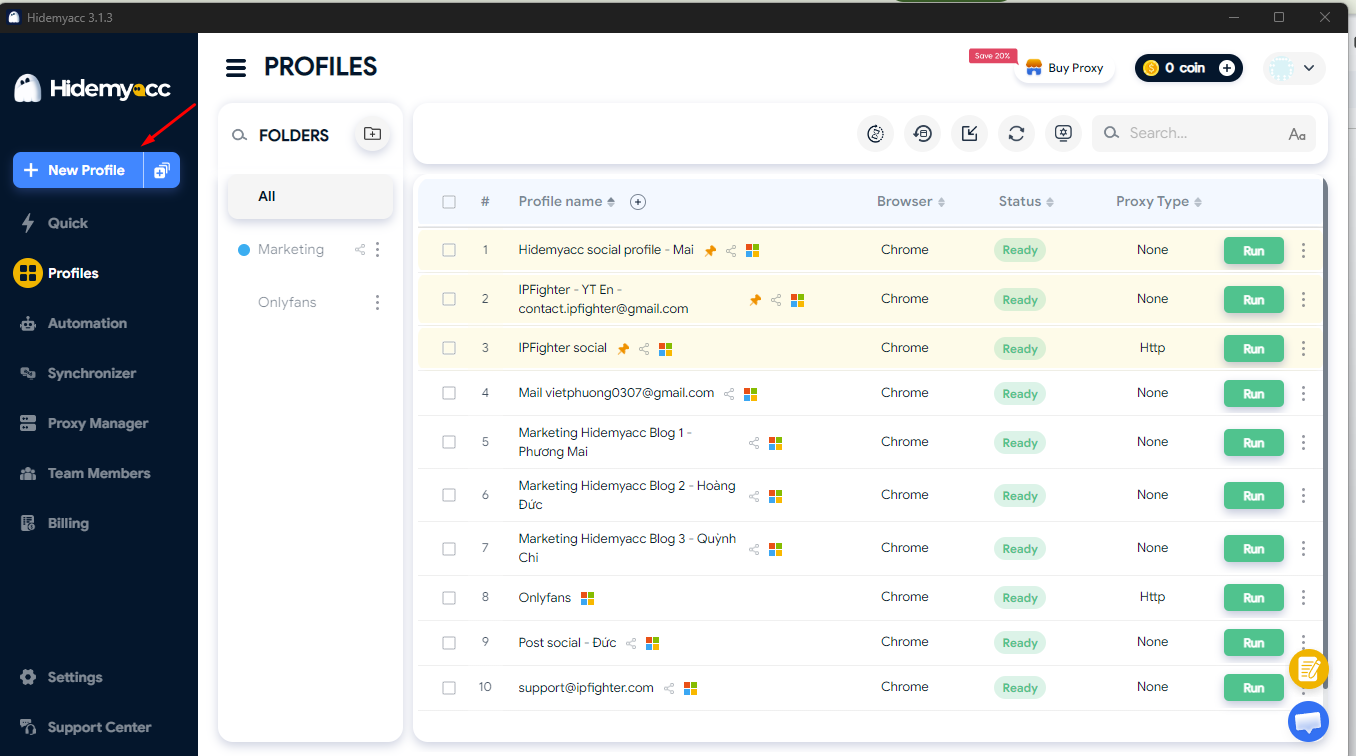
- Step 1: Open the Hidemyacc software and create a new browsing profile by clicking the New Profile button.
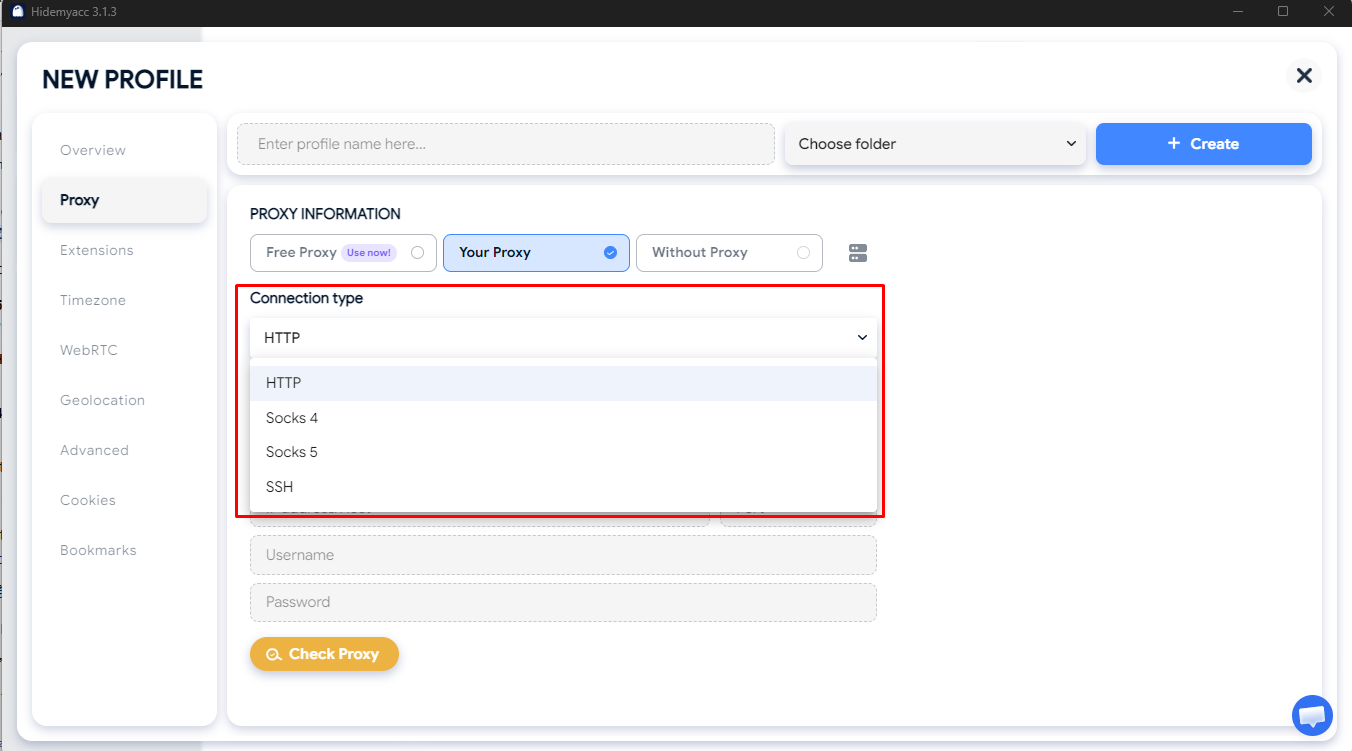
- Step 2: Switch to the Proxy configuration tab and choose the corresponding connection protocol: HTTP, HTTPS, or SOCKS5.
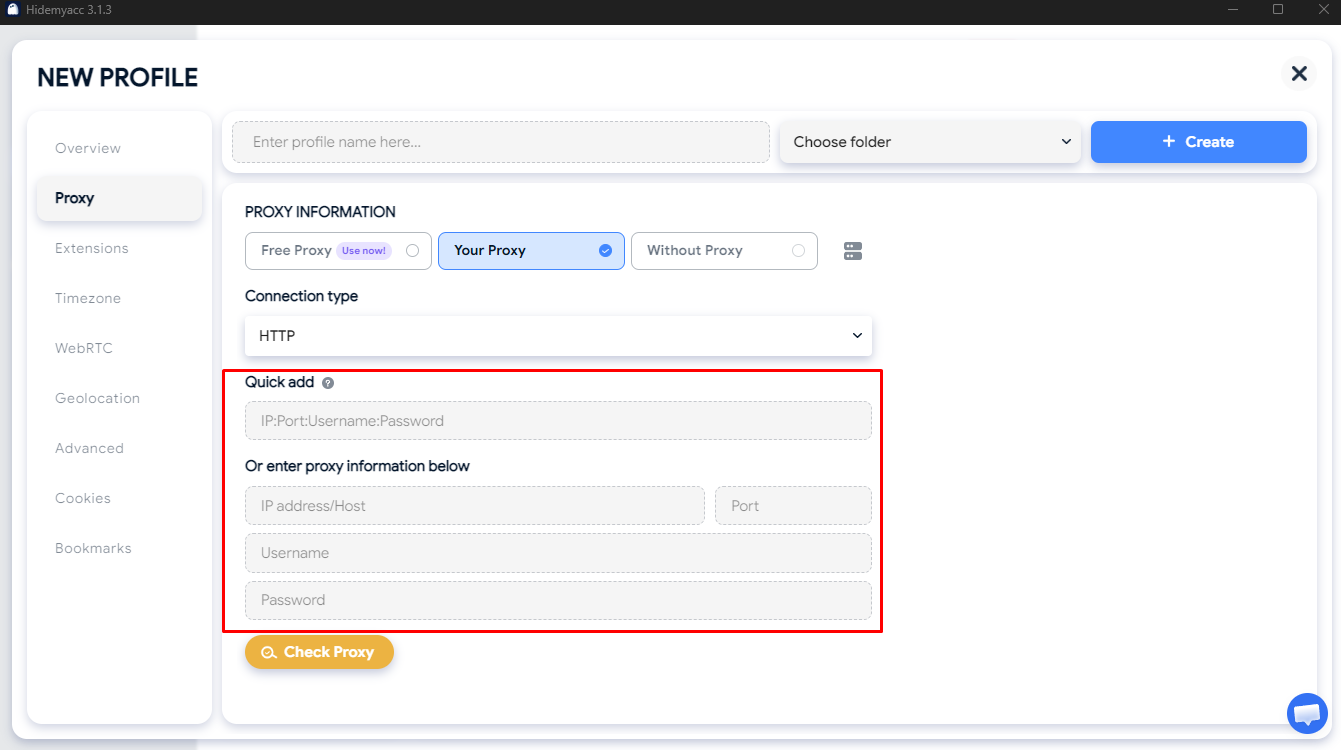
- Step 3: Enter the configuration information including IP, Port, Username, and Password provided by your proxy seller.
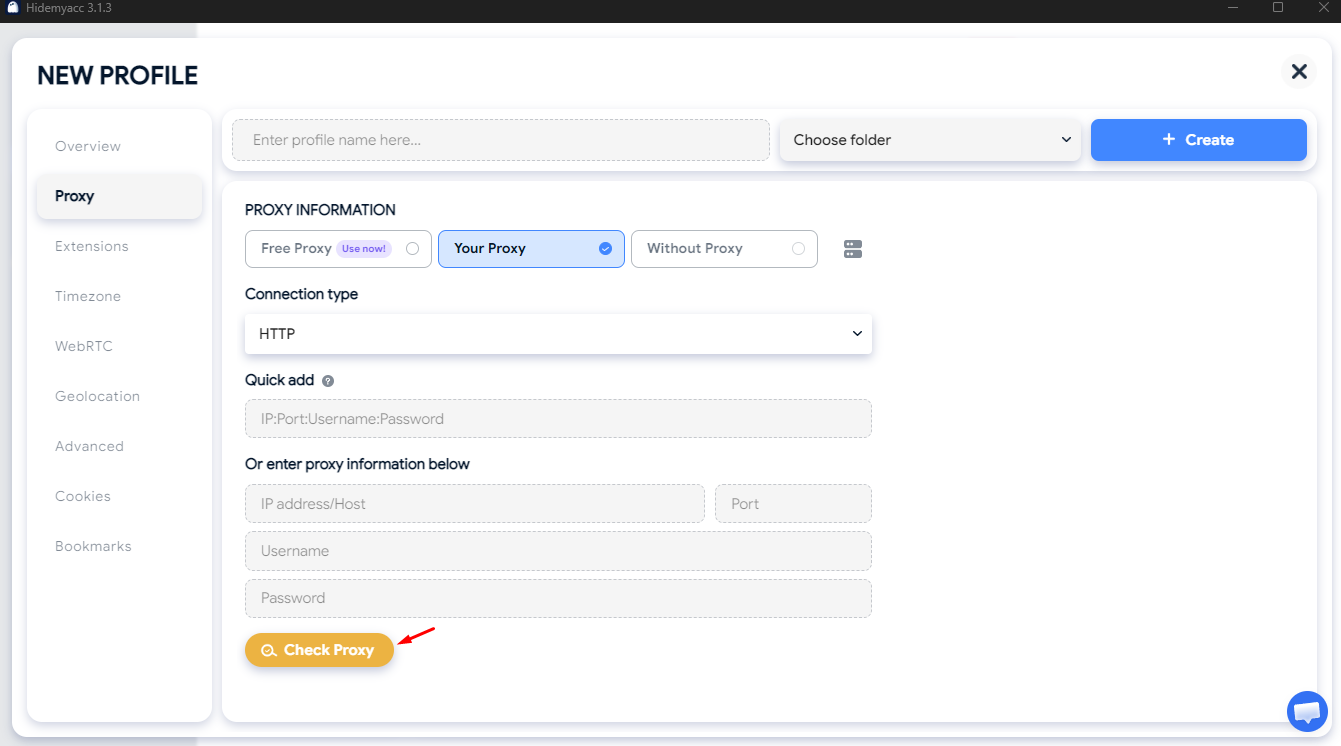
- Step 4: Click the Check Proxy button for the software to verify if the connection functions well and accurately displays your intended country location.
- Step 5: Click Save, then click Run to launch the new browser profile and begin checking keywords safely.
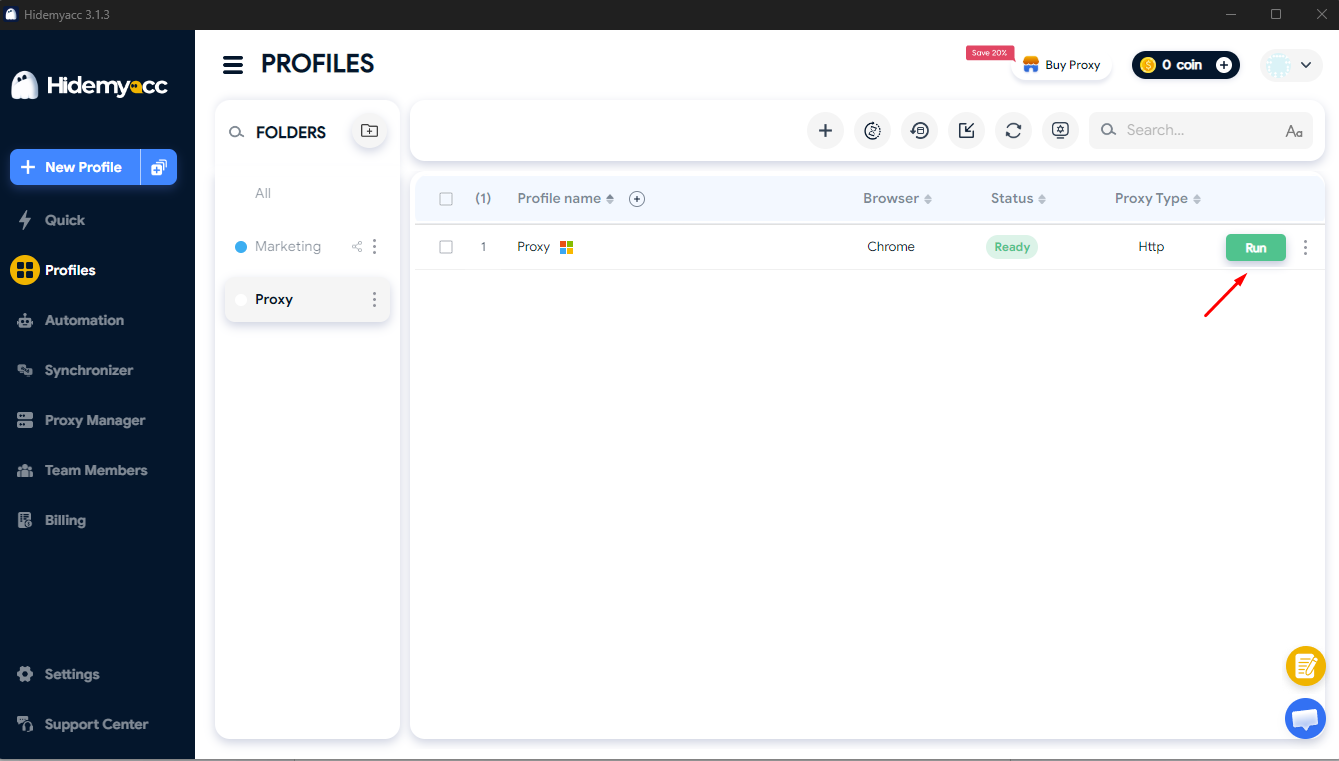
By simply merging these two tools, you have successfully deployed a highly secure workspace. From there, you can freely accumulate precise market data without worrying about complex computer maneuvers.
6. Crucial notes when picking rank tracking proxies
To ensure the data gathering process flows smoothly and achieves optimal results, below are the core factors you must evaluate thoroughly before purchasing keyword rank tracking proxies:
IP Geographic Location (Geo-targeting): Search results change across countries and local districts. You must select a proxy network matching your project's target market location.
Speed & Stability: Ranking checks take place continuously. If the proxy network responds slowly or drops connection frequently, software workflows break, leading to extraction failures and delaying reporting processes.
Query Success Rate: Search engines apply heavily guarded filtration systems. You should pick keyword rank tracking proxy providers with clean subnets and high reputation levels, especially residential variants, to decrease risks of intermediate interruption or image check traps.
Cost and Bandwidth Constraints: For residential networks: Providers usually bill according to data consumption volume. Check software loads substantial page weights, so you need to estimate bandwidth cost equations logically.
- For residential networks: Providers usually bill according to data consumption volume. Check software loads substantial page weights, so you need to estimate bandwidth cost equations logically.
- For datacenter networks: Most charge fixed machine subscription rates and supply unrestricted bandwidth usage. This option saves money, but you need to moderate scraping rhythms carefully to avoid blanket blocks.
- Connection Protocol (HTTP/HTTPS vs SOCKS5): The vast majority of modern applications prioritize the SOCKS5 standard since it streams raw data packets without tampering headers, meaning software runs smoothly with fewer dropouts compared to regular HTTP.
- Available IP Pool Size: When using auto-rotating types, if a provider possesses small subnet repositories, systems will heavily cycle identical old IPs. Tracking algorithms easily recognize these recycling habits and block entire ranges. A premium provider should host extensive pools reaching millions of diverse addresses.
By assessing these variables carefully, finding an elite vendor becomes simple. Consequently, project spending scales down while core operational benchmarks remain optimal.
7. Conclusion
From the insights above, it is clear that keyword rank tracking proxies play an immensely crucial role in any large-scale SEO campaign requiring accurate and frequent data updates.
Depending on your current budget allocations and whether your project scope targets manual auditing or automated bulk operations, consider selecting rotating residential proxy networks or datacenter solutions accordingly. The right decision right at the beginning optimizes your investment costs while boosting workflow efficiency distinctively.
8. FAQ
1. If I already use cloud SEO tools (Ahrefs, Semrush), do I still need to buy additional proxies?
Generally no, since these platforms have built-in proxy scraping networks of their own. However, if you run niche projects requiring high-frequency scraping or want separate data stream pipelines, you can connect private proxies through their Custom API features.
2. Will using residential proxies billed per GB deplete my budget?
Rank checking tools continuously load search engine results pages, which consumes a specific amount of bandwidth. To optimize costs, you should configure your tool to only scrape raw text data, skipping heavy redundant elements like images or redundant JavaScript to save volume.
3. How should I set up the proxy rotation (Rotating) time for maximum safety?
The optimal setup for keyword scraping is rotating the IP per query request, so each search execution remains completely independent of others. If used for workflows involving account management, you can configure the proxy to auto-change every 3 to 5 minutes.
4. What should I do if I accidentally used a Datacenter proxy block and Google blacklisted (blocked) it?
You need to pause your rank-checking tool immediately to avoid freezing the system with repeated failed queries. Then, contact your provider to request a fresh network range or upgrade straight to residential IPs to resume operations.
5. Why should I prioritize connecting proxies via SOCKS5 instead of HTTP/HTTPS?
SOCKS5 transmits raw data and does not interfere with or modify network packet headers. This allows SEO software to operate flawlessly, protects system identities better, and encounters fewer connection drops compared to HTTP.